Home furnishing choices in 2026 are moving toward considered comfort: colours that calm, materials that last, and layering that adds depth without clutter. Chennai homes sit at the intersection of these trends and local climate realities, which shapes how global directions translate here.
This guide draws out the key directions worth paying attention to and connects each to practical choices for curtains, upholstery, flooring and soft furnishings in Indian homes.
Colour palettes moving toward warm neutrals
Cool greys and stark whites that dominated interiors for the past decade are giving way to warmer tones. Warm whites, soft terracotta, dusty rose and muted sage are appearing in living rooms and bedrooms as backgrounds and accent colours.
In curtains this means fabric choices shifting from cool white sheers to warm ivory and sand tones. Upholstery is following the same direction, with camel, warm taupe and rust appearing on sofas and chairs where grey and charcoal previously dominated.
Textured walls and layered window treatments
Smooth painted walls are being replaced or complemented by textured surfaces: Venetian plaster, lime wash and textured wallcoverings. These surfaces pair better with soft layered window treatments than with plain roller blinds or simple curtain panels.
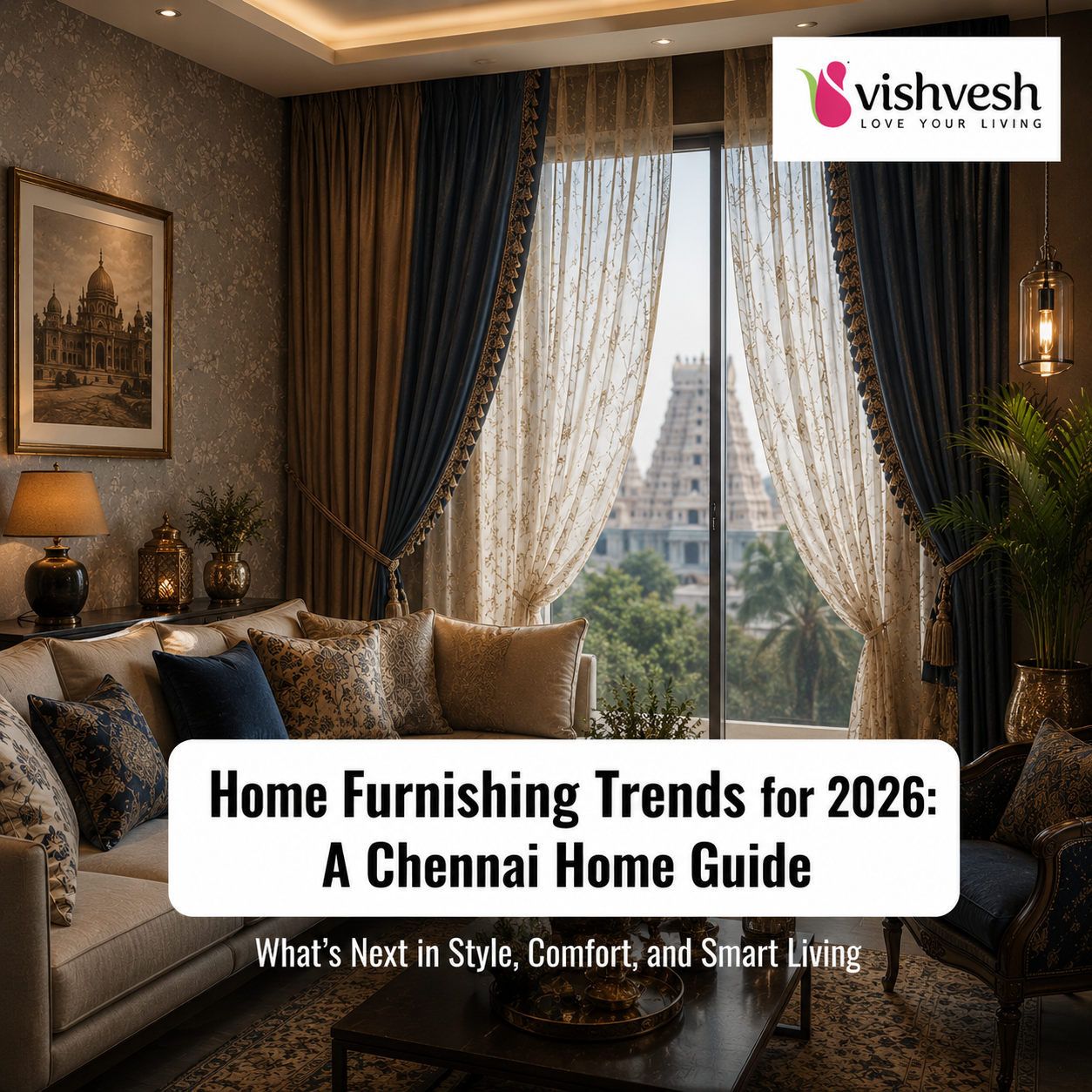
Layering a sheer close to the glass with a heavier fabric panel on an outer track allows different light levels through the day and adds depth to the window. This two layer approach suits the strong Chennai sunlight, where full block is rarely wanted but unfiltered glare is uncomfortable.
Natural and sustainable materials
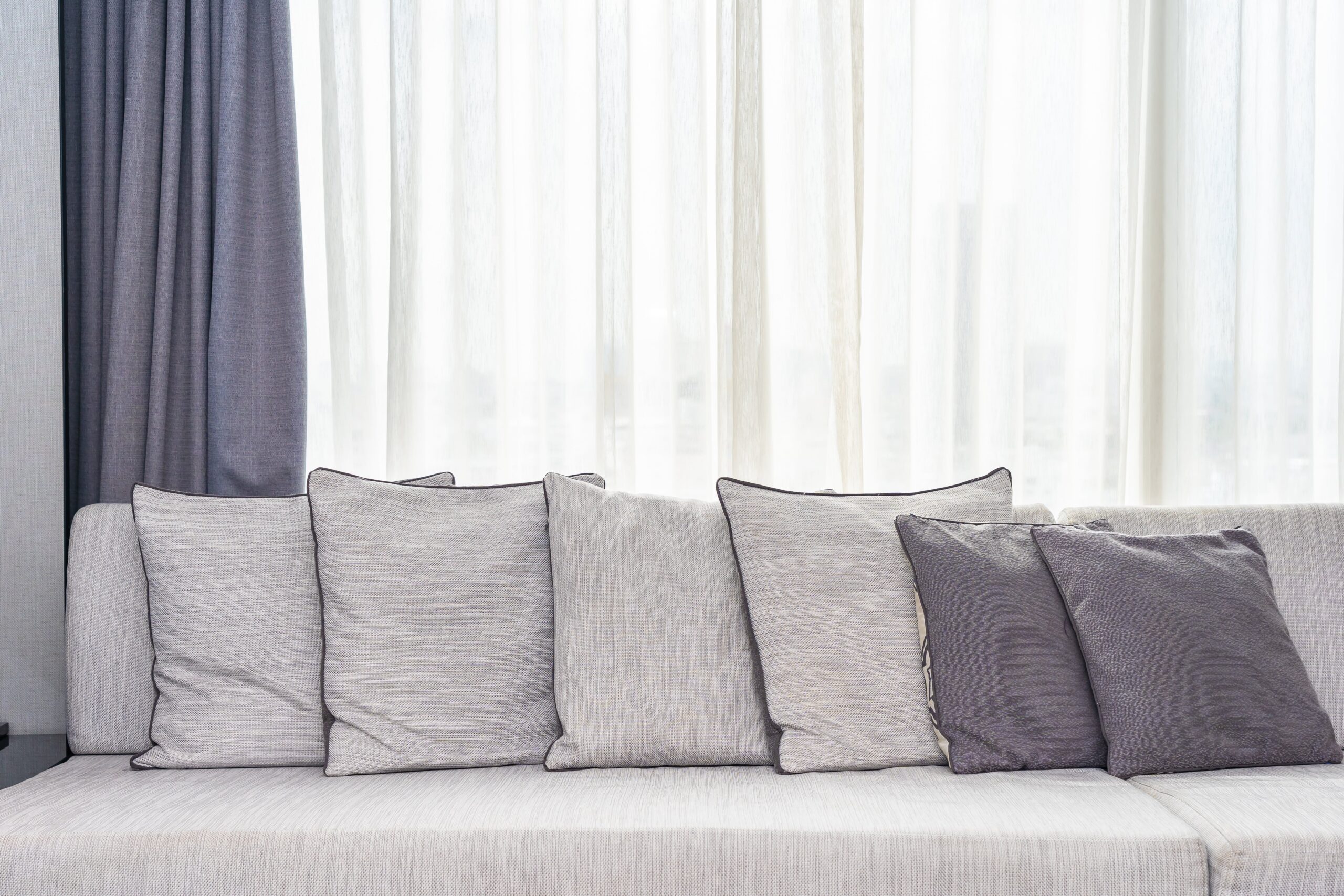
Linen, jute, bamboo and natural wool are appearing more frequently in home furnishings as buyers look for materials that feel substantial and age well. In curtains, linen blends give a relaxed natural look that suits the warm neutral colour direction. In upholstery, natural fabric weaves are appearing alongside performance synthetics for buyers who prioritise texture.
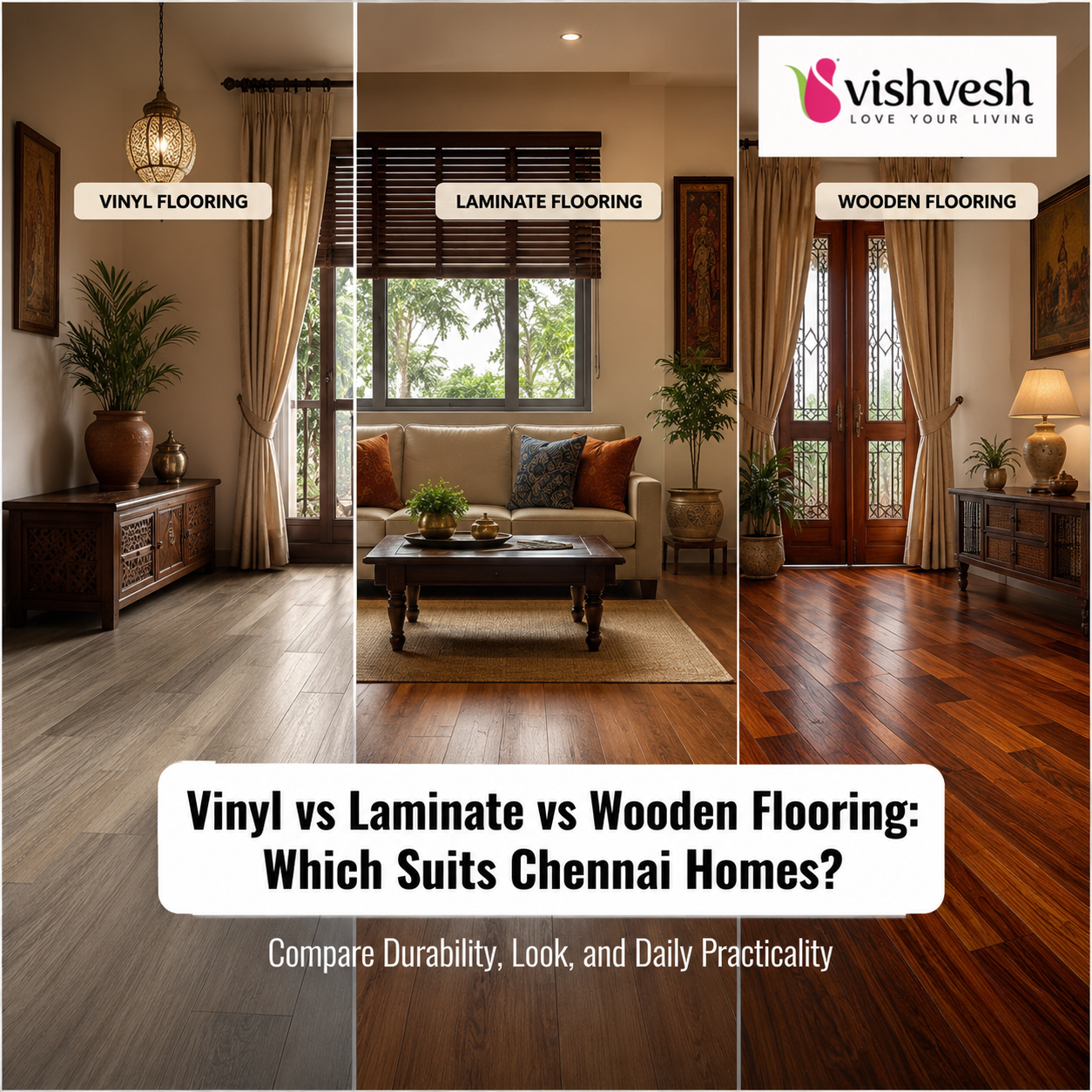
For flooring, engineered wood and natural stone finishes are growing at the expense of laminate. These materials require more investment but hold their appearance longer and suit the premium feel of 2026 interiors.
Artisan and handmade elements
Mass produced uniformity is losing ground to handmade and artisan pieces. Hand blocked fabric, handwoven textiles and bespoke upholstery are being used deliberately alongside investment pieces to break up machine made regularity.
In Chennai this connects to a long tradition of quality fabric and textile craft. Incorporating locally made or hand finished pieces is both a design choice and a practical advantage when lead times on imported goods remain unpredictable.

Biophilic elements and indoor greenery
Plants, natural light, and materials that reference nature are central to biophilic design, which continues to grow. Window treatments that maximise natural light during the day while controlling heat gain are more relevant in this context than heavy blackout treatments used through daylight hours.
Sheer curtains in natural linen or cotton allow daylight in while softening direct sun. Pairing them with a controlled solar blind behind gives flexibility for strong afternoon sun without sacrificing the benefit of natural light in the morning.
Soft furnishing layering in Chennai homes
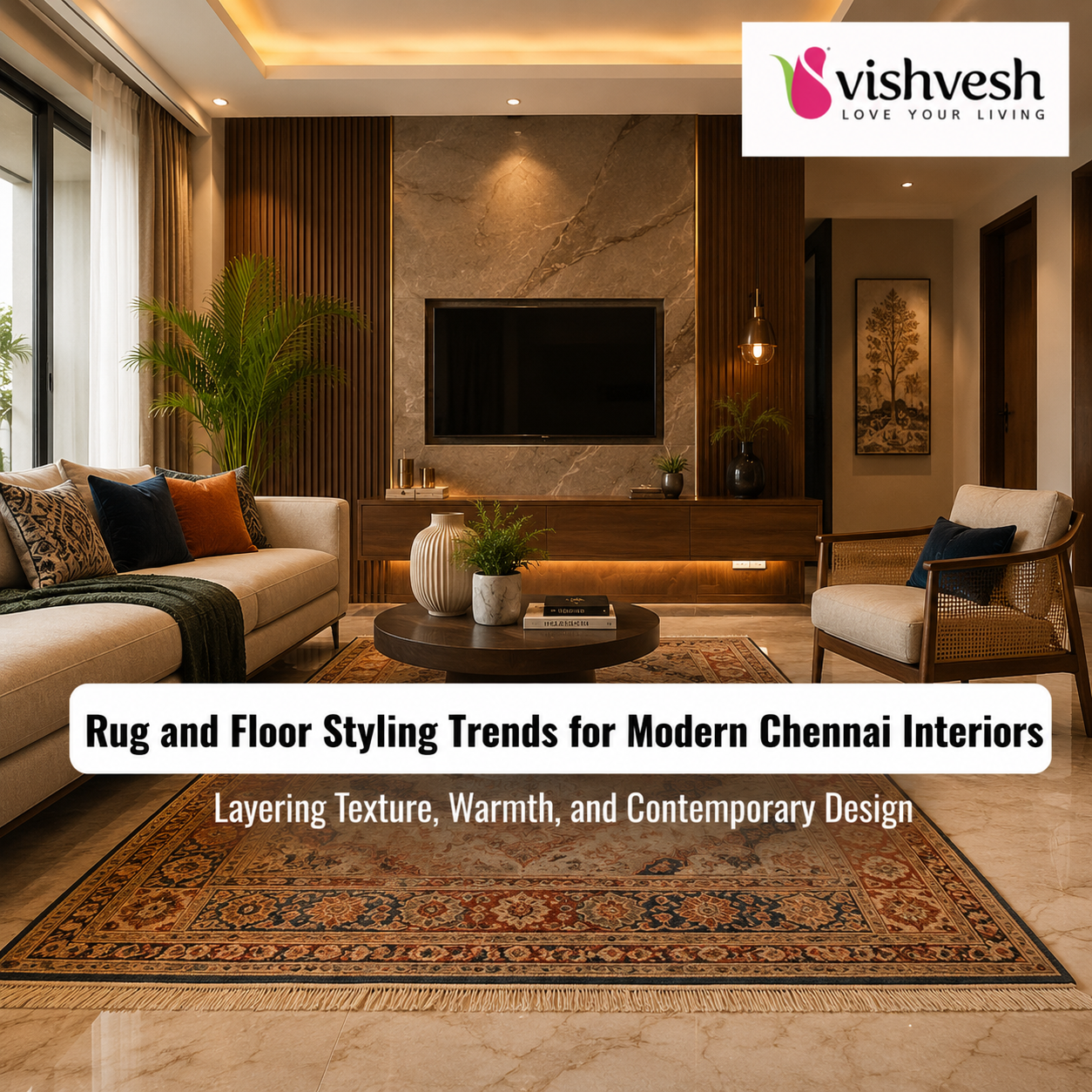
Layering soft furnishings — cushions, throws, rugs and curtains — to create depth and warmth is an established interior direction that suits Chennai apartments well. A rug grounds a seating area, curtains frame the window, and cushions connect the two colour stories.
Chennai homes often have large areas of tiled or marble floor. Adding a rug to a seating area improves acoustics, makes the space feel more defined, and adds warmth that hard floors lack. This is one of the most straightforward upgrades that delivers visible impact.
What to update first in 2026
Not every trend requires a complete renovation. Curtains and soft furnishings are among the easiest elements to update for significant visual impact. Changing curtain fabric to a warmer tone, adding a second layer of sheers, or replacing a rug with a natural fibre version updates the feel of a room without touching the walls, floor or furniture.
For larger projects, upholstery reupholstery is a cost effective way to update existing furniture to current colours and fabrics rather than replacing pieces. A quality frame with new upholstery in a current fabric often looks and feels better than new budget furniture.
Frequently Asked Questions: Home Furnishing Trends 2026
What are the main home furnishing trends for 2026?
The key directions are warm neutral colour palettes replacing cool greys, textured wall finishes paired with layered window treatments, natural and sustainable materials such as linen and jute, artisan and handmade elements, and biophilic features that bring natural light and plants into the interior.
Do 2026 trends suit Chennai homes?
Many of them translate well. Warm neutrals suit Chennai light. Natural materials breathe better in the climate than heavy synthetics. Layered window treatments with sheers address the strong local sunlight. Rugs on hard flooring improve comfort in air conditioned rooms. The main adaptation is choosing materials that handle heat and humidity.
What is the easiest way to update a home to current trends?
Curtains and soft furnishings are the lowest effort, highest impact update. Changing curtain fabric, adding a rug or replacing cushions can shift the feel of a room significantly without structural work. Upholstery reupholstery updates existing furniture frames to current fabrics at less cost than replacement.
Are linen curtains practical in Chennai?
Linen and linen blend curtains suit Chennai well if chosen in a weight appropriate for the window. Lighter linen weaves work as layering sheers. Heavier lined linen panels provide more privacy and sun control. Linen is breathable, ages attractively and suits the natural material direction of 2026 interiors.
Should I layer curtains and blinds?
A two layer system works well for Chennai windows that receive direct sun. A sheer or light filtering blind close to the glass controls heat and glare. A fabric panel on an outer track provides privacy and softens the window visually. The combination gives flexibility through different times of day and suits the layered interior direction.