
Buying home linen well is quieter work than choosing curtains or wallpaper, but it shapes daily comfort more than almost anything else in a bedroom. The right sheets feel cool in Chennai’s heat, wash well over years, and hold colour without fading. This guide explains what home linen covers, how to judge quality, and what to look for when buying bed linen in Chennai.
What is home linen
Home linen refers to the household textiles used across bedrooms and bathrooms. It includes bed sheets, fitted sheets, duvet covers, comforters, pillowcases, bolster covers, and coordinated bedding sets.
The word “linen” here is a category name, not only the flax fabric. Most modern home linen is cotton, cotton-rich blends, or microfibre, chosen for comfort, durability, and easy care.
Quality in home linen comes from three things working together: fibre type, weave, and finishing. A good store helps you balance all three rather than selling on a single number like thread count.
Why the store you choose matters
A specialist home linen store carries a curated range across fibres, weaves, and sizes, so you can compare in person. Feeling fabric hand and seeing true colour under daylight tells you more than any online photograph.
Staff at a good store advise on fibre, weave, care, and correct sizing for your mattress depth. This guidance prevents common mistakes such as sheets that shrink, pill, or fail to tuck.
Vishvesh Textiles is a premium home furnishings showroom on Cathedral Road, Chennai. It offers home linen alongside curtains, upholstery, and wallpaper, so bedroom textiles can be coordinated in one visit.
Understanding fibre types
Cotton
Cotton is the most common home linen fibre because it is breathable, soft, and durable. It suits Chennai’s warm, humid climate by allowing airflow and absorbing moisture during sleep.
Long-staple cotton produces smoother, stronger yarns that resist pilling. It typically feels finer and lasts longer than short-staple cotton.
Cotton blends
Cotton blended with polyester resists wrinkling and creasing. Blends often cost less and dry faster, though they breathe slightly less than pure cotton.
Linen (flax)
True linen, woven from flax, is highly breathable and gets softer with washing. It has a relaxed, textured look and suits buyers who prefer a natural, lived-in finish.
Microfibre
Microfibre is a fine synthetic that feels smooth and resists wrinkles. It is easy to care for but breathes less than natural fibres, so it suits cooler rooms better than hot ones.
What thread count really means
Thread count is the number of threads woven into one square inch of fabric. Higher counts can feel smoother, but the number alone does not guarantee quality.
Fibre quality and weave matter as much as thread count. A well-made 300 count long-staple cotton sheet can outperform a cheaper 800 count sheet made from weaker yarns.
For Chennai’s warm climate, a moderate thread count in breathable cotton often sleeps cooler than a very high count that traps heat. Comfort depends on the whole fabric, not one figure.
Weave types explained
Percale
Percale is a plain, tight weave that feels crisp and cool. It suits hot climates and sleepers who prefer a fresh, matte finish.
Sateen
Sateen has a smooth, slightly lustrous surface that feels soft and drapes well. It feels marginally warmer than percale, suiting cooler rooms or air-conditioned bedrooms.
Textured weaves
Waffle, dobby, and jacquard weaves add pattern and dimension. They bring visual interest to a bed while offering different textures against the skin.
Choosing bed linen for Chennai homes
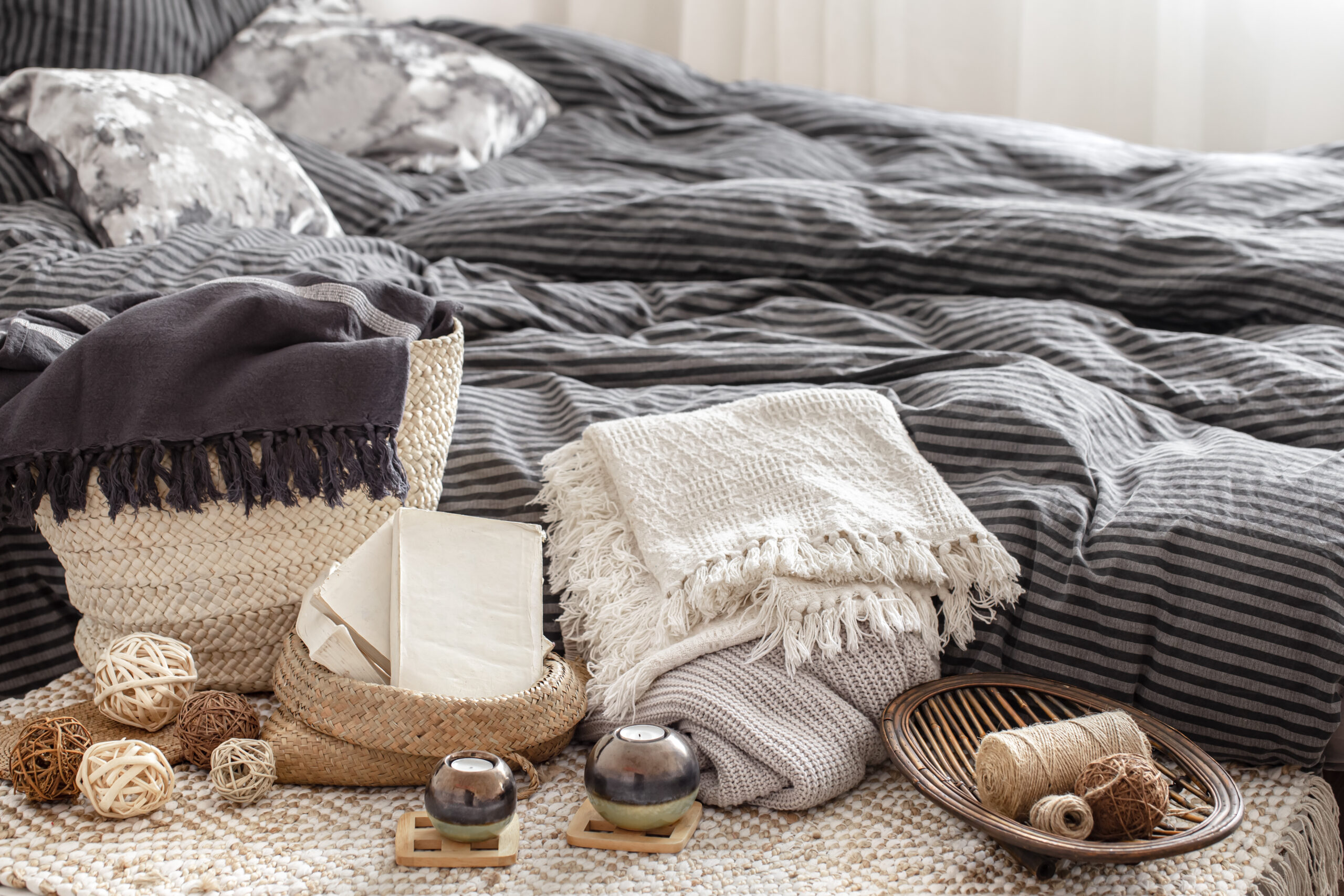
Chennai stays warm and humid through most of the year, so breathability is the first priority. Cotton and cotton-rich percale weaves keep sleep cool and dry.
For air-conditioned bedrooms, sateen and light comforters add comfort without overheating. Matching the fabric to how you cool the room matters more than following trends.
Colour and pattern also affect the feel of a room. Lighter tones keep a bedroom calm and airy, while deeper tones and textured weaves add a premium, layered look.
Building a coordinated bed
A well-dressed bed layers several elements: fitted sheet, flat sheet, duvet or comforter, and pillow and bolster covers. Coordinating these creates a finished, premium look.
Start with a neutral base of sheets, then add colour or texture through the duvet cover and cushions. This makes seasonal updates easy without replacing everything.
Pulling one accent colour from the bedroom curtains into the bedding ties the whole room together. Buying linen and curtains from one showroom makes this coordination simpler.
Getting the size right
Bed linen must match both bed size and mattress depth. A fitted sheet that is too shallow will not stay tucked, while an overly deep one bunches.
Measure your mattress height, including any topper, before buying fitted sheets. Standard Indian sizes cover single, double, queen, and king, but depths vary between brands.
Bolsters are common in Indian bedrooms, so check that a bedding set includes bolster covers if you use them. A good store confirms sizing before you buy.
Caring for home linen
Wash new bed linen before first use to remove finishing residues and improve softness. Use a gentle cycle and avoid harsh bleach on coloured sets.
Natural cotton and linen soften with each wash and last for years when cared for correctly. Drying in shade helps preserve colour in strong sunlight.
Rotating between two or three sets extends the life of each. Regular rotation spreads wear and keeps bedding fresh.
Visiting a home linen store in Chennai
Vishvesh Textiles offers home linen at its Cathedral Road, Chennai showroom, with guidance on fibre, weave, thread count, and sizing. Range specifics and pricing are available on request and can be confirmed in person.
Seeing and feeling linen before buying removes guesswork about softness, weight, and colour. A short showroom visit helps you choose bedding that suits your climate and mattress.
Bath linen and towels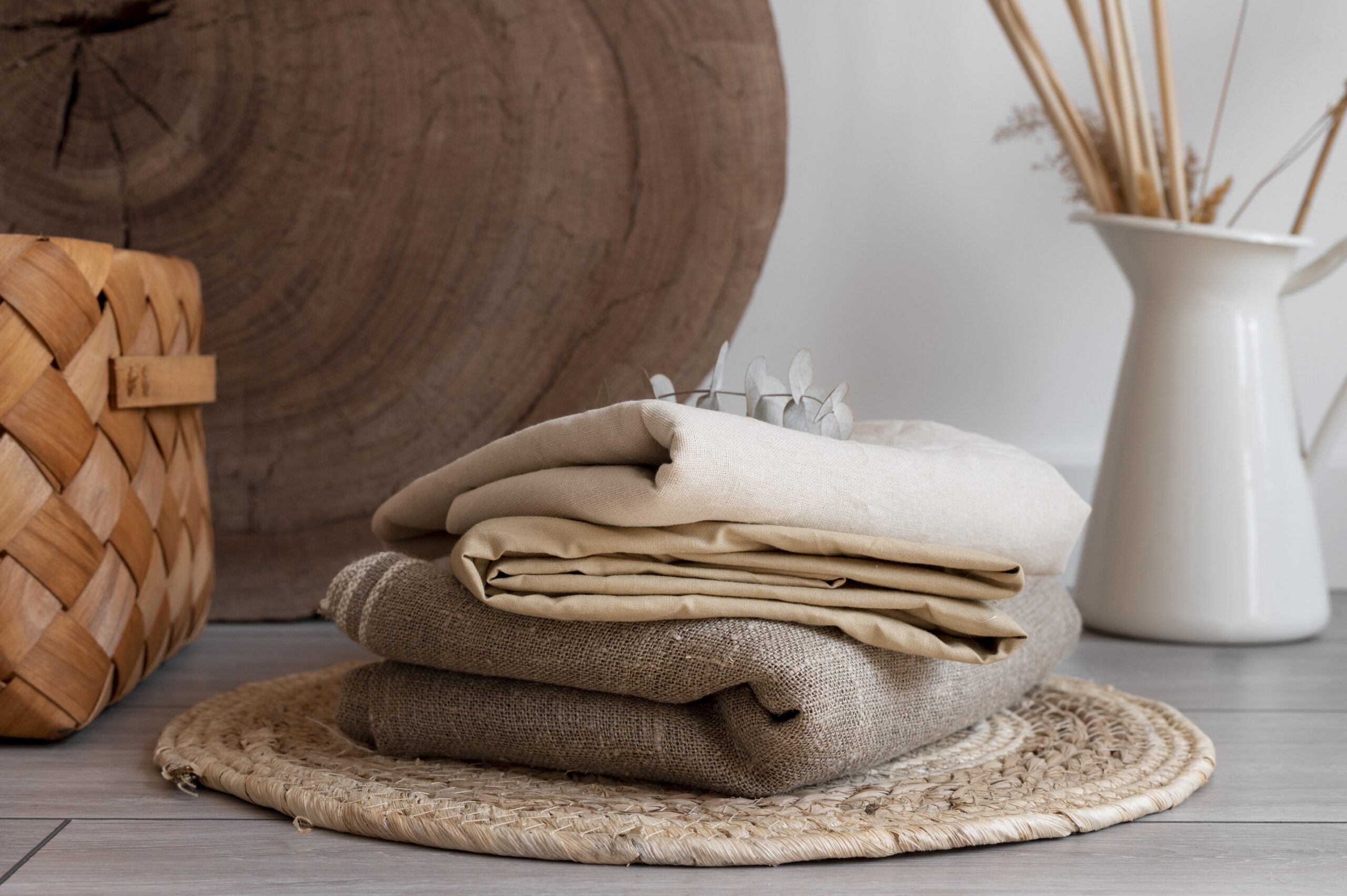
Home linen also covers the bathroom. Towels are judged by GSM, or grams per square metre, which indicates weight and absorbency.
Mid-weight towels around 450 to 550 GSM balance absorbency with quick drying, which suits Chennai’s humidity. Very heavy towels feel plush but dry slowly in humid air.
Cotton, and especially long-staple cotton, makes the most absorbent, durable towels. Look for tightly stitched hems and secure edges, which are signs of a towel built to last through frequent washing.
Coordinating bath linen with a simple palette keeps a bathroom looking tidy and considered. A small set in one or two tones reads as more premium than many mismatched pieces.
Seasonal bedding
Even in a warm climate, bedding needs change through the year. Lightweight cotton sheets and thin comforters suit hot months and non-air-conditioned rooms.
For air-conditioned bedrooms and cooler nights, a heavier comforter or a duvet with a warmer filling adds comfort. Keeping two weights of comforter lets a bed adapt without a full change of bedding.
Layering also helps. A flat sheet under a comforter lets sleepers adjust warmth through the night by adding or removing layers.
How much home linen to own
A practical rotation is two to three sets of sheets per bed. This lets one set be in use, one in the wash, and one resting, which spreads wear and extends the life of each.
Resting linen between uses genuinely helps fibres recover and last longer. Rotating sets is one of the simplest ways to make good bedding last.
For towels, a similar rotation of two to three per person keeps a supply fresh while others dry or wash. Buying in coordinated sets makes rotation easy to manage.
Common mistakes when buying bed linen
The most common mistake is buying on thread count alone. A high number on weak yarns produces a sheet that feels thin and pills quickly.
Another mistake is ignoring mattress depth, which leaves fitted sheets slipping off during the night. Always measure the mattress, including any topper, before choosing fitted sheets.
Buying only for looks is a third pitfall. A beautiful sheet in the wrong fibre for the climate can sleep hot and disappoint in daily use.
Finally, skipping the first wash can leave finishing residues that make new linen feel stiff. Washing before first use improves softness and comfort from the start.
Bedding for guest rooms and children
Guest rooms benefit from durable, easy-care bedding that suits a range of visitors. Neutral cotton sets in a medium weight work across seasons and preferences.
Children’s bedding should be soft, breathable, and simple to wash frequently. Cotton handles repeated washing well and stays comfortable against young skin.
Keeping a spare set for guest and children’s beds makes changing bedding quick. It also means a fresh set is always ready when needed.
Storing home linen
Store linen clean, fully dry, and in a ventilated space to prevent mustiness in humid conditions. Damp storage encourages mildew and odours.
Breathable cotton storage bags suit linen better than sealed plastic, which can trap moisture. Rotating stored sets into use keeps everything fresh and even in wear.
Folding neatly and avoiding overpacking helps linen keep its shape. A little airflow around stored bedding goes a long way in Chennai’s humidity.
When to replace bed linen
Even good linen wears out eventually. Thinning fabric, persistent staining, fraying edges, and a rough feel that survives washing are signs a set is past its best.
Replacing tired base sets while keeping newer ones in rotation maintains comfort. Building a small, quality collection and rotating it is more economical than frequent full replacements.
To coordinate your bedroom further, our guide to rug and floor styling trends shows how soft furnishings, floors, and linen work together.
Key facts to remember
- Home linen covers bed sheets, duvet covers, comforters, and pillowcases used in bedrooms and bathrooms.
- Cotton is breathable and durable, making it well suited to Chennai’s warm, humid climate.
- Thread count measures threads per square inch but does not alone determine sheet quality.
- Percale weave feels crisp and cool, while sateen feels smooth and slightly warmer.
- Fitted sheets must match both bed size and mattress depth to stay tucked and neat.
Key takeaways
- Home linen includes sheets, duvet covers, comforters, and pillowcases.
- Cotton and cotton-rich percale suit Chennai’s warm, humid climate best.
- Thread count matters less than fibre quality and weave together.
- Coordinate sheets, duvet, and cushions for a premium, layered bed.
- Match fitted sheets to mattress depth and confirm sizing before buying.
Frequently asked questions
What does a home linen store sell?
A home linen store sells bedroom and bath textiles such as bed sheets, fitted sheets, duvet covers, comforters, pillowcases, and coordinated bedding sets, usually across a range of fibres and weaves.
Which bed linen is best for Chennai’s climate?
Breathable cotton and cotton-rich percale weaves suit Chennai’s warm, humid climate. They allow airflow and absorb moisture, keeping sleep cool and dry compared with heavier synthetic fabrics.
Does a higher thread count mean better sheets?
Not always. Thread count affects smoothness, but fibre quality and weave matter as much. A well-made moderate count in long-staple cotton can outperform a cheaper very high count sheet.
What is the difference between percale and sateen?
Percale is a plain, tight weave that feels crisp and cool, suiting hot climates. Sateen has a smooth, slightly lustrous surface that feels softer and marginally warmer, suiting cooler or air-conditioned rooms.
How do I choose the right sheet size?
Match the sheet to your bed size and measure mattress depth, including any topper. Fitted sheets that are too shallow slip off, while overly deep ones bunch and look untidy.
How should I care for home linen?
Wash new linen before first use, use a gentle cycle, and avoid harsh bleach on colours. Dry in shade to protect colour, and rotate between sets to spread wear and extend life.
Where can I buy home linen in Chennai?
Vishvesh Textiles offers home linen at its Cathedral Road showroom in Chennai, with guidance on fibre and weave. Please contact us to confirm the exact address, opening hours, and pricing before visiting.