A rug is one of the most effective ways to define a space, add warmth, and tie a room’s colours together. Yet rugs are often bought on impulse and end up the wrong size or material for the room. This guide walks through the three decisions that matter most, material, size, and placement, so you can choose a rug that works for years.
What a rug does in a room
A rug grounds a seating or dining area and gives a room a clear centre. It draws furniture together into a defined zone rather than pieces floating on a bare floor.
Rugs also add softness, warmth, and sound absorption. On hard flooring, they reduce echo and make a space feel calmer and more comfortable underfoot.
Colour and pattern in a rug can set or complete a room’s scheme. A rug can either anchor a neutral room with a bold pattern or calm a busy room with a quiet tone.
Choosing rug materia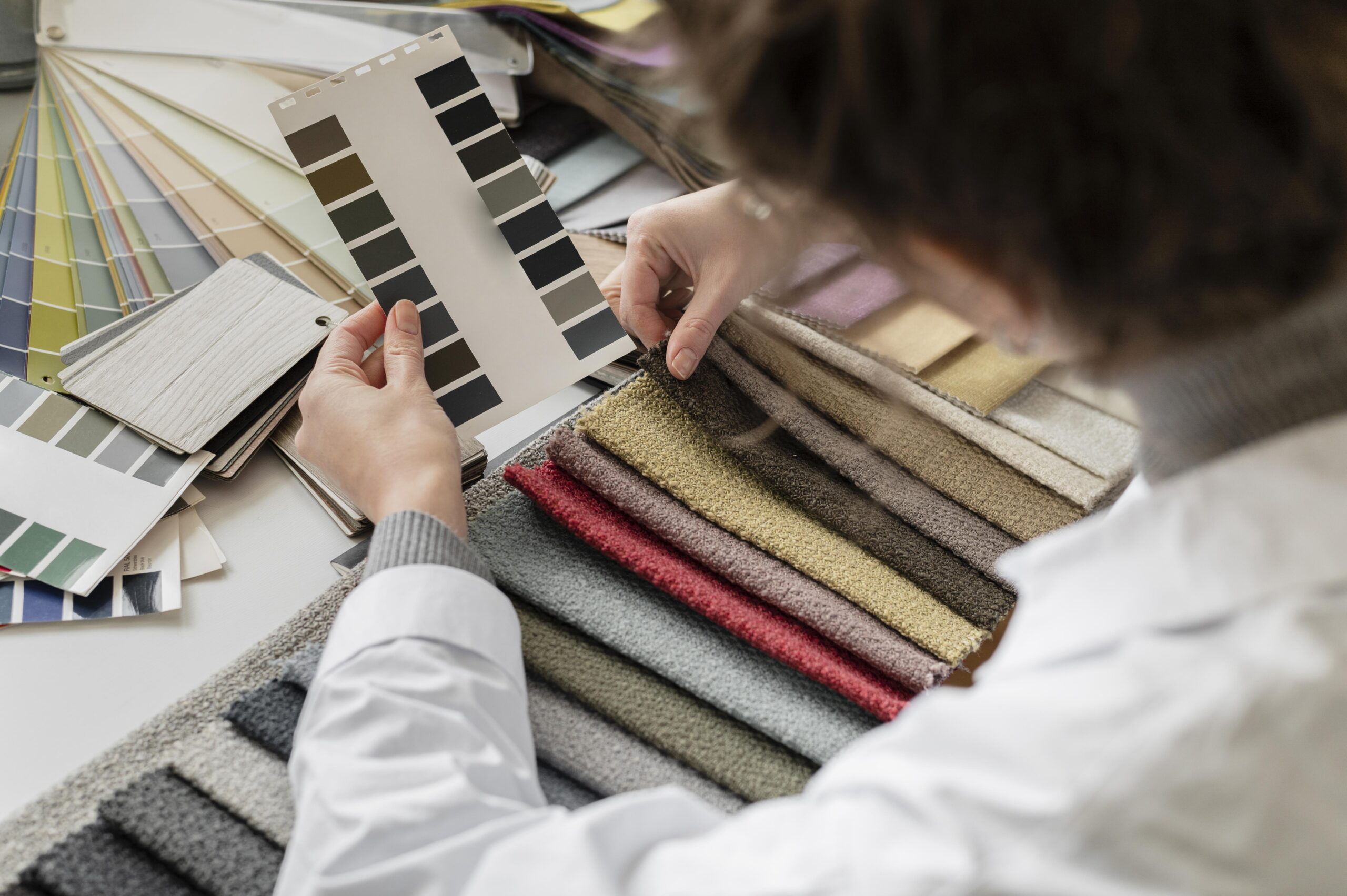
Wool
Wool rugs are durable, soft, and naturally stain-resistant. Wool fibres spring back after compression, so these rugs wear well in living areas over many years.
Wool also resists soiling because of its natural coating, and it holds dye well for rich, lasting colour. It suits formal and long-term spaces.
Cotton
Cotton rugs are lightweight, washable, and casual. They suit informal spaces and rooms where a rug may need frequent cleaning.
Cotton is usually more affordable and easy to move or wash, though it wears faster than wool in high-traffic areas.
Synthetic fibres
Synthetic rugs such as polypropylene resist moisture, stains, and fading. They suit high-traffic and humid areas, and they clean easily.
Polypropylene handles spills and sunlight well, making it practical for family rooms, entryways, and homes in humid climates like Chennai.
Natural fibres like jute and sisal
Jute and sisal rugs bring natural texture and an earthy look. They are hard-wearing but coarser underfoot and less suited to wet areas.
Silk and viscose
Silk and viscose rugs add sheen and a luxurious feel. They are delicate, suited to low-traffic, formal spaces rather than busy family rooms.
Choosing the right size
Rug size is where most rug mistakes happen. An undersized rug makes a room feel disconnected and smaller than it is.
Living rooms
In a living room, the rug should sit at least under the front legs of all seating. For a grounded, generous look, place all furniture legs on the rug.
A rug that unites the seating group looks intentional. One that floats in the centre, too small for the furniture, looks like an afterthought.
Dining rooms
A dining rug should extend beyond the table far enough that chairs stay on the rug when pulled out. Aim for roughly 60 to 75 centimetres of rug beyond the table edge on all sides.
Bedrooms
In a bedroom, a large rug can sit under the lower two-thirds of the bed, extending past the sides. Alternatively, use runners on each side of the bed for softness underfoot.
Placement and layering
Leave a consistent border of bare floor around a rug, rather than fitting it wall to wall. An even margin frames the rug and the room.
Layering a smaller patterned rug over a larger neutral one adds depth and texture. This works well in living rooms and bedrooms for a curated look.
Anchor a rug to the room’s main function. In open-plan spaces, separate rugs can define the living and dining zones clearly.
Matching rugs to your space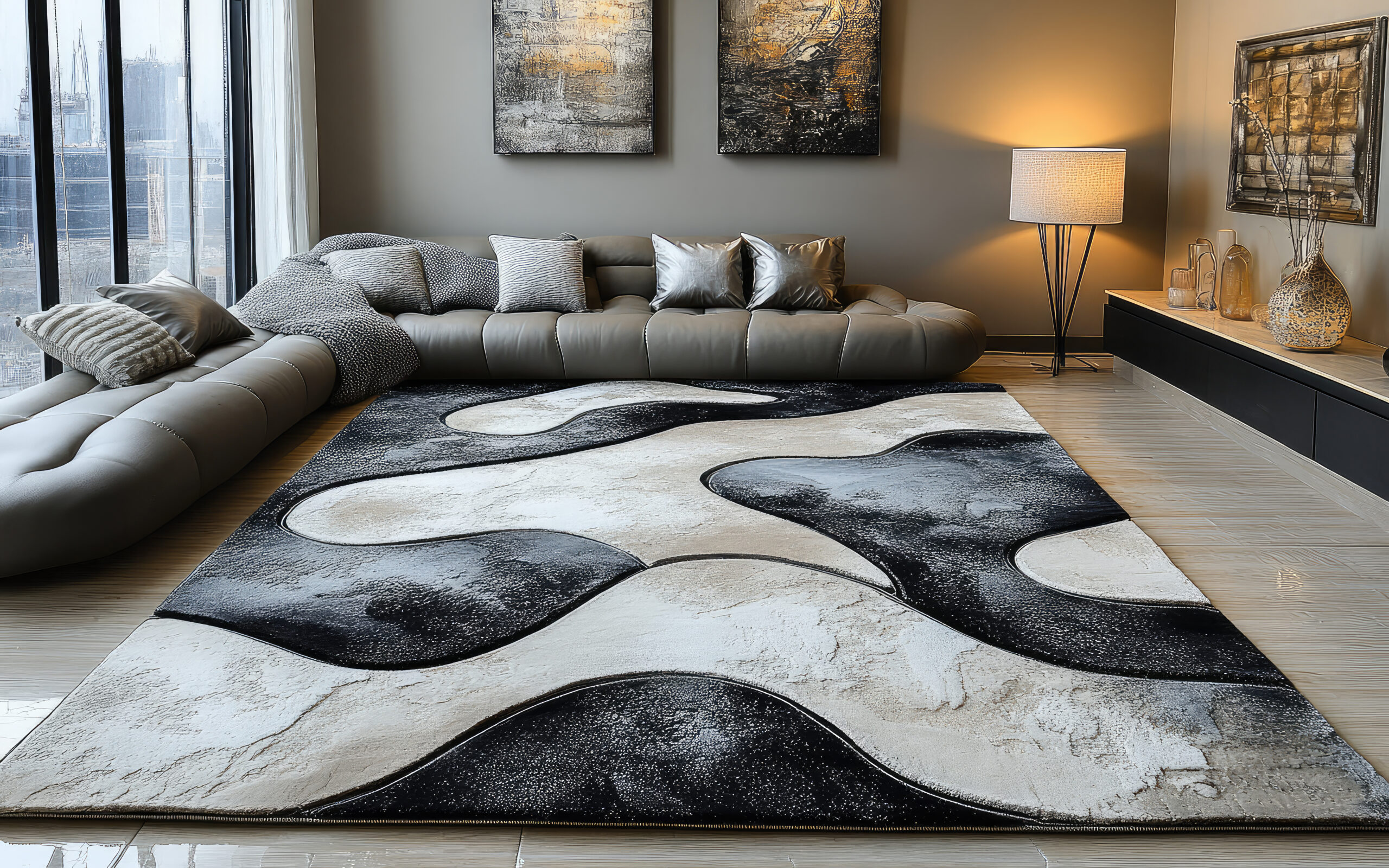
Choose rug colour and pattern to complement, not compete with, existing furnishings. Pull an accent colour from cushions, curtains, or art into the rug to tie the room together.
Patterned rugs hide everyday marks and suit high-traffic homes with children or pets. Plain rugs create calm but show soiling more readily.
For Chennai’s humid climate, washable cotton and moisture-resistant synthetic rugs suit everyday spaces. Wool suits formal, lower-traffic rooms where moisture exposure is limited.
Rug care and durability
Vacuum rugs regularly to remove grit that wears fibres from within. Rotate rugs periodically so wear and any sun fading spread evenly.
Address spills quickly by blotting, not rubbing, to prevent staining. Wool and synthetic rugs resist stains better than delicate silk or viscose.
Use a rug pad underneath to stop slipping, reduce wear, and add cushioning. A pad also improves comfort and protects the floor beneath.
Buying rugs in Chennai
Vishvesh Textiles offers rugs at its Cathedral Road, Chennai showroom, with guidance on material, size, and placement to suit each room. Range specifics and pricing are available on request and can be confirmed.
Seeing rug texture, pile, and true colour in person helps you judge quality and fit. A short showroom visit makes it easier to match a rug to your room’s size and use.
Rug shapes and how to use them
Rugs come in rectangular, round, runner, and square shapes, and each suits different spaces. Rectangular rugs are the most versatile and anchor most living and dining areas.
Round rugs suit round tables and small, intimate seating groups, softening a room’s lines. Runners suit hallways, kitchens, and the sides of beds, adding comfort to narrow spaces.
Matching rug shape to the furniture and room shape makes a layout feel intentional. A round rug under a rectangular sofa group, for example, rarely works as well as a rectangle.
Rugs room by room
Living rooms usually take the largest rug in a home, anchoring the main seating. Bedrooms suit a large rug under the bed or runners on each side for softness underfoot.
Hallways and entryways suit hard-wearing, washable, or synthetic runners that cope with grit and traffic. Kitchens benefit from washable, low-pile rugs or runners that handle spills.
Children’s rooms suit soft, washable, stain-resistant rugs. Outdoor and balcony spaces need weather-resistant synthetic rugs made for the conditions.
Reading pile height and density
Pile height is how tall a rug’s fibres stand. Low-pile rugs are easier to clean and suit high-traffic and dining areas, while high-pile rugs feel plush and suit cosy, low-traffic rooms.
Density, or how tightly fibres are packed, affects durability and feel. A dense rug wears better and feels more substantial than a loosely tufted one.
Pressing a hand into a rug reveals its density and quality of feel. Denser rugs spring back quickly and hold their shape under furniture and feet.
Common rug mistakes
The most common mistake is choosing a rug that is too small, which leaves furniture stranded and a room feeling disjointed. Sizing up almost always looks better.
Another is ignoring maintenance needs, such as putting a delicate silk or viscose rug in a busy family room. Match durability to how a room is used.
Skipping a rug pad is a third mistake. Without one, rugs slip, wrinkle, wear faster, and offer less comfort underfoot.
What affects rug cost
Rug price varies with material, size, construction, and pile density. Hand-knotted wool and silk rugs sit at the premium end, while machine-made synthetics are more accessible.
Larger and denser rugs cost more because they use more material and labour. Specific pricing is available on request and can be confirmed directly.
Considering cost per year of use, rather than purchase price alone, often favours a durable rug matched to its room. A well-chosen rug lasts and looks right for far longer.
Rugs, hygiene, and allergies
Rugs trap dust and allergens, which can be positive or negative depending on care. Regular vacuuming removes trapped particles and keeps a rug hygienic.
Low-pile and washable rugs suit allergy-sensitive homes because they clean easily. Synthetic and cotton rugs that can be washed are practical where hygiene is a priority.
Prompt cleaning of spills prevents odours and staining. A rug that is cared for stays fresh and adds comfort rather than harbouring dust.
Testing rug quality in store
Seeing a rug in person reveals quality that photographs hide. Press a hand into the pile to judge density, and fold a corner to see how tightly it is constructed.
Check that colours are even and the backing is secure. A dense, well-finished rug with a firm backing signals durability and good value.
Caring for different materials
Wool rugs need gentle vacuuming and prompt spot cleaning, avoiding harsh chemicals that strip natural oils. Synthetic rugs tolerate more robust cleaning and resist stains.
Silk and viscose rugs are delicate and often need professional cleaning. Matching a cleaning routine to the material keeps any rug looking its best for longer.
Protecting floors under rugs
A rug protects the floor beneath it from scuffs and wear, but the pairing needs care. On hard floors, a suitable rug pad prevents slipping and stops the rug marking the surface.
Some rug backings can scratch or discolour delicate floors, so a pad acts as a protective barrier. This is especially worth checking on wood and vinyl.
Lifting and airing a rug occasionally lets the floor beneath breathe. This keeps both the rug and the floor in good condition over time.
Runners, stairs, and transitions
Runners suit hallways, kitchens, and staircases, adding comfort and safety to narrow, busy areas. On stairs, a secured runner adds grip and softens each step.
In hallways, a runner protects a high-traffic floor while defining the route through a home. Choosing hard-wearing, washable materials keeps these pieces practical.
Sizing a runner to leave an even border of floor on each side keeps the look neat. Proportion matters as much for runners as for larger rugs. For more ideas, see our guide to rug and floor styling trends, and coordinate with your home linen for a cohesive look.
Key facts to remember
- Wool rugs are durable, soft, and naturally stain-resistant, suiting long-term living spaces.
- Polypropylene synthetic rugs resist moisture, stains, and fading, suiting high-traffic and humid areas.
- A living-room rug should sit at least under the front legs of all seating.
- A dining rug should extend far enough that chairs stay on it when pulled out.
- A rug pad reduces slipping, spreads wear, and adds cushioning underfoot.
Key takeaways
- Rug choice comes down to material, size, and placement.
- Wool is durable and premium; synthetics resist moisture and stains.
- Undersized rugs make rooms feel disconnected; size generously.
- Keep an even border of bare floor around a rug to frame it.
- Use a rug pad to reduce slipping, wear, and noise.
Frequently asked questions
Which rug material is most durable?
Wool rugs are durable, soft, and naturally stain-resistant, suiting long-term use. Polypropylene synthetics also resist wear, moisture, and fading, making them practical for high-traffic and humid areas.
What size rug should I choose for a living room?
A living-room rug should sit at least under the front legs of all seating, or under every furniture leg for a grounded look. Undersized rugs make a room feel disconnected and small.
How big should a dining room rug be?
A dining rug should extend beyond the table so chairs stay on the rug when pulled out. Aim for roughly 60 to 75 centimetres of rug beyond the table edge on all sides.
Which rugs suit humid Chennai homes?
Washable cotton and moisture-resistant synthetic rugs suit humid Chennai spaces and high-traffic rooms. Wool suits formal, lower-traffic areas where moisture exposure is limited.
Do I need a rug pad?
A rug pad is recommended. It stops the rug slipping, reduces wear on the fibres, adds cushioning underfoot, and protects the floor beneath, extending the life of both rug and floor.
How do I stop a rug looking too small?
Choose a rug large enough to sit under the front legs of seating, and keep an even border of bare floor around it. Sizing up usually looks more intentional than sizing down.
Where can I buy rugs in Chennai?
Vishvesh Textiles offers rugs at its Cathedral Road showroom in Chennai. Please contact us to confirm the exact address, opening hours, and pricing before visiting.