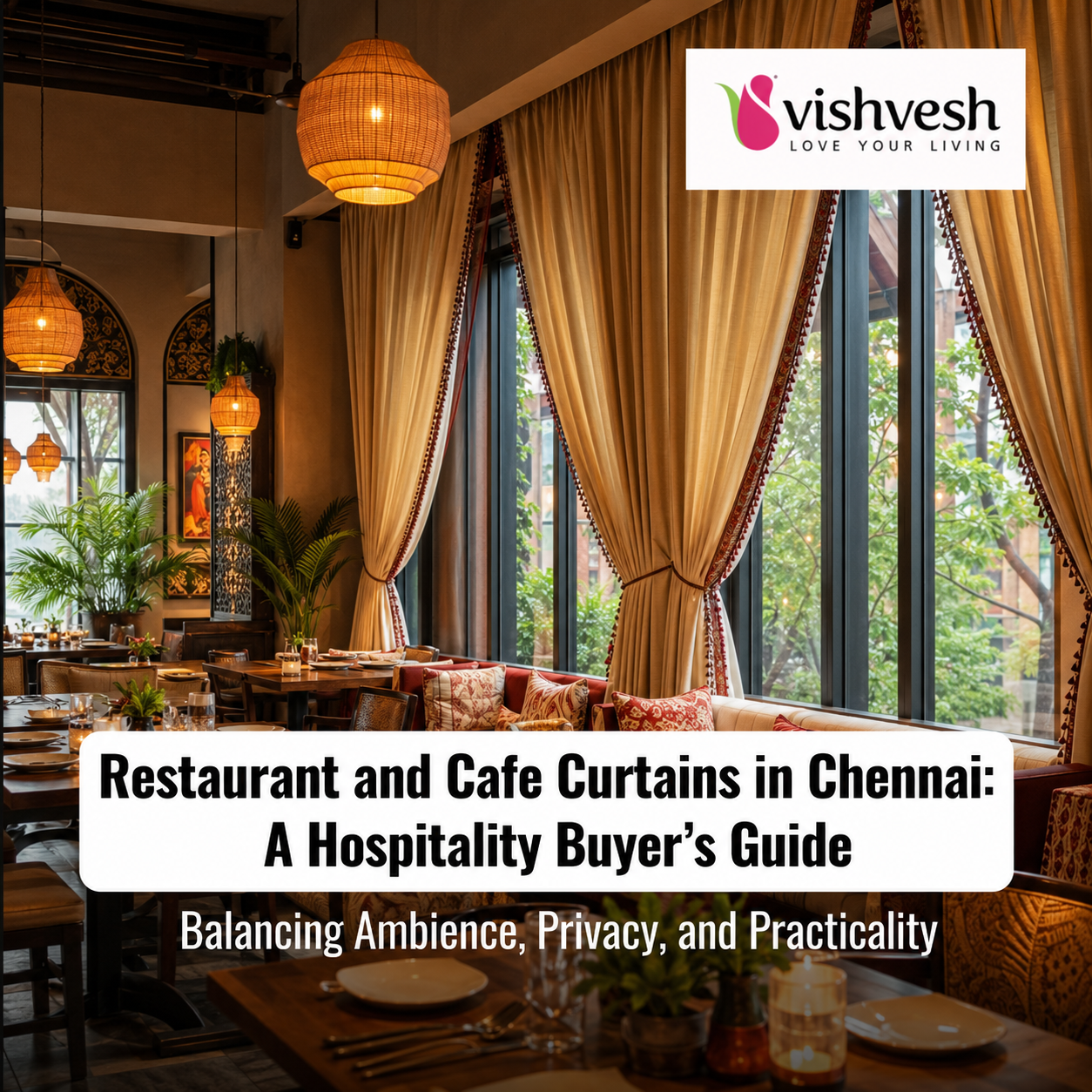
Curtains do more in a restaurant than in a home. They set mood, control glare during service, screen kitchens and service areas, and divide a room into zones. Because they are handled and cleaned far more often than domestic curtains, the fabric and fittings must be chosen with commercial use in mind. This guide covers what hospitality curtains need to do and how to choose them for a Chennai venue.
Why restaurant curtains are different
Restaurant curtains face heavier use than home curtains. They are touched by staff and guests through long service hours and cleaned far more frequently.
They also carry more responsibility for atmosphere. Fabric, colour, and drape shape how a dining room feels, from a bright casual cafe to an intimate fine-dining space.
Commercial premises may have compliance requirements that homes do not, such as fire-retardant fabric treatment. Requirements vary by venue type and location and should be verified before ordering.
What hospitality curtains need to do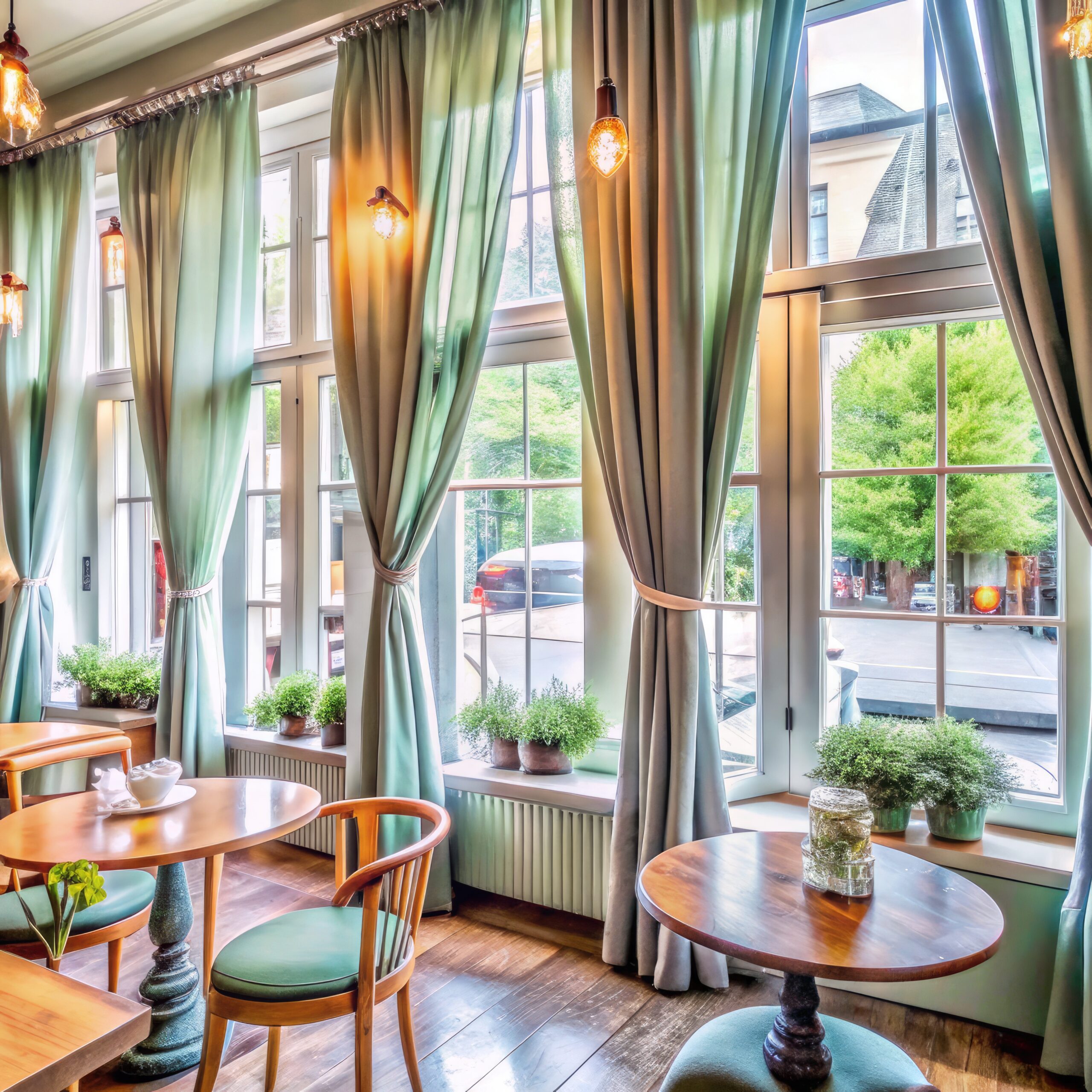
Control light and glare
Large restaurant windows take strong daylight, which can cause glare on tables and screens. Sheer curtains diffuse harsh light for comfortable daytime dining.
Blackout and lined curtains support evening ambience and private dining, letting a venue shift mood as service changes through the day.
Manage privacy
Street-facing windows need a balance of visibility and privacy. Diners want to feel enclosed without the room feeling closed off from outside.
Layering sheers with heavier drapes gives flexible privacy, open for lunch and screened for dinner.
Dampen noise
Busy dining rooms can become loud as sound bounces off hard surfaces. Heavier curtain fabrics absorb sound and soften the acoustic feel of a space.
Divide and zone
Curtains can separate dining areas, screen service stations, or create private booths without permanent construction. This gives a venue flexible layouts for events and peak service.
Choosing fabric for commercial use
Durability is the first test for restaurant curtain fabric. Tightly woven, hard-wearing fabrics withstand frequent handling and cleaning better than delicate weaves.
Stain resistance matters in food-service settings. Easy-clean and treated fabrics cope with the spills and marks that come with daily dining.
Heavier fabrics suit fine-dining rooms, adding a premium feel and dampening noise. Lighter fabrics keep casual cafes bright, open, and informal.
Colour choice affects both mood and maintenance. Mid-tones and subtle patterns hide everyday marks better than pale, flat fabrics in a busy venue.
Matching curtains to venue style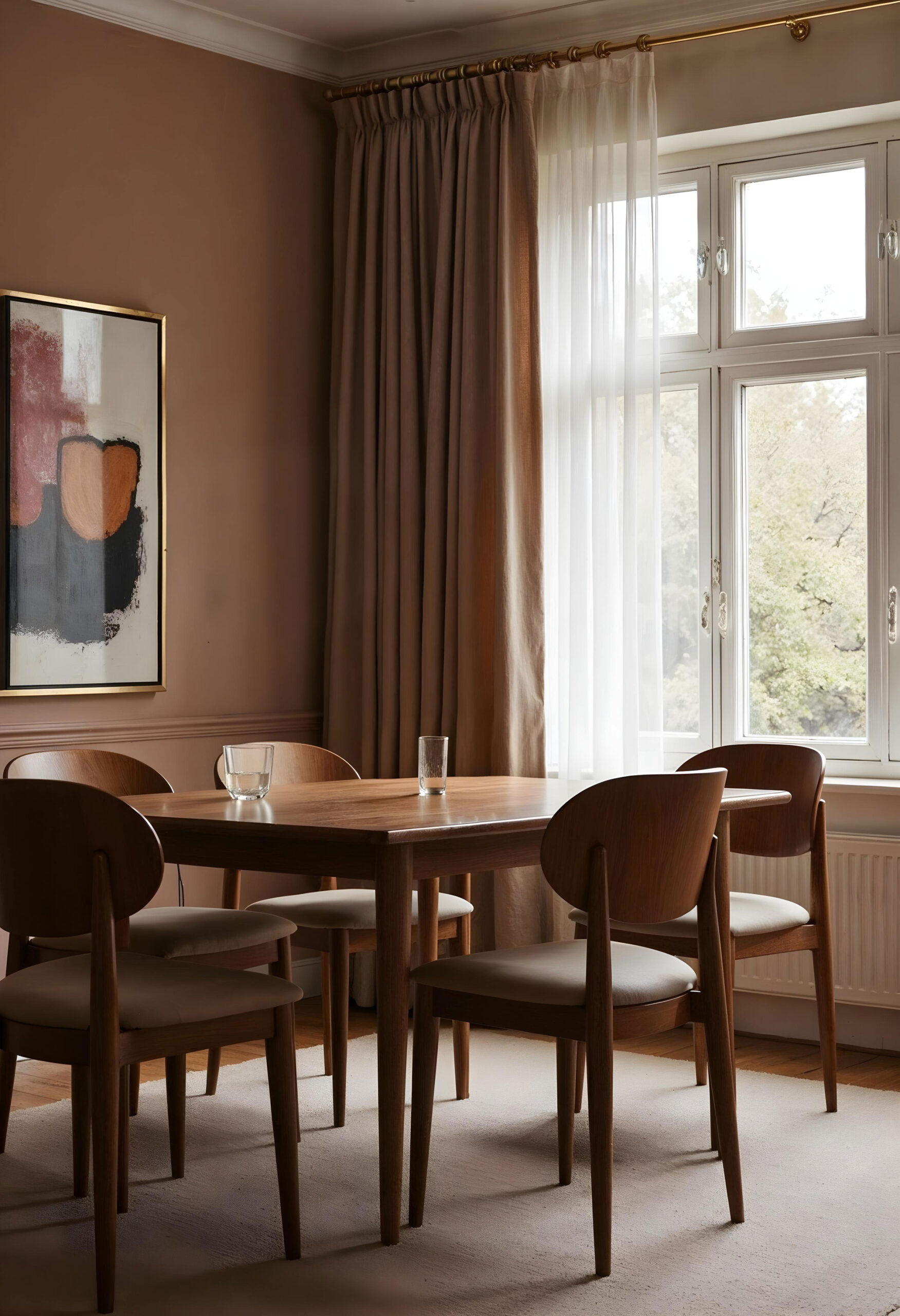
Fine dining
Fine-dining rooms suit rich, heavier fabrics in deeper tones. Full-length drapes and layered sheers create a formal, intimate atmosphere.
Casual cafes
Casual cafes suit lighter, brighter fabrics that keep the space open and welcoming. Cafe-style half curtains offer privacy at seated eye level while letting daylight in above.
Bars and lounges
Bars and lounges often use blackout or heavy drapes to control mood lighting. Darker fabrics support evening ambience and flexible lighting.
Entrances, partitions, and special uses
Entrance curtains help control airflow, dust, and temperature at doorways. They also add a welcoming visual layer at the threshold.
Partition curtains create private booths or event spaces on demand. Because they need no construction, they let a venue adapt its layout for different bookings.
Motorized curtains suit large or high windows that are awkward to operate during service. They let staff adjust light quickly without interrupting guests. See our curtain automation page for details.
Practical planning for a project
Measure each window, doorway, and partition run accurately before ordering. Commercial spaces often have non-standard sizes that need custom stitching.
Plan for cleaning cycles by choosing fabrics that tolerate frequent washing or professional cleaning. Consider ordering spare panels so a venue can rotate curtains during cleaning without bare windows.
Confirm any fire-safety or compliance requirements for your premises. These vary and should be verified with the relevant authority before finalizing fabric.
Working with a Chennai supplier
Vishvesh Textiles supplies curtains for restaurants and cafes at its Cathedral Road, Chennai showroom. Fabric selection covers durability, ambience, and easy maintenance for commercial spaces.
Bulk and project requirements, compliance treatments, and pricing are available on request and can be confirmed directly. A consultation helps match fabric and fittings to a venue’s use and style.
Colour, branding, and atmosphere
Curtain colour is part of a restaurant’s visual identity. Fabric tones can echo a brand palette, reinforcing the look guests see on signage, menus, and interiors.
Deeper, richer tones suit intimate evening venues, while lighter tones keep daytime cafes fresh and open. Choosing colour with the whole interior in mind keeps a venue coherent.
Texture also carries atmosphere. A heavy woven drape signals a formal room, while a light, airy fabric signals a relaxed, casual space.
Judging durability before you buy
Commercial fabrics can be compared using rub counts, measured in double rubs, which indicate resistance to abrasion. Higher rub counts suit heavy-use hospitality settings.
Ask how a fabric behaves after repeated cleaning, since colour fastness and shape retention matter over months of service. Fabrics that fade or sag quickly cost more in the long run.
Request that any treatment, such as stain or fire-retardant finishing, is documented. This helps with both maintenance planning and compliance records.
Planning for cleaning and turnover
Hospitality curtains need a cleaning routine built into operations. Choose fabrics rated for the cleaning method a venue can realistically manage, whether machine washing or professional cleaning.
Ordering spare panels lets a venue rotate curtains during cleaning without leaving windows bare. This keeps the dining room presentable at all times.
Removable, easy-to-rehang fittings make routine cleaning faster. Track and header systems that detach cleanly save staff time during turnover.
Flexibility for events and seasons
Many venues host events that need a different mood from daily service. Curtains that can section a room create private event spaces on demand.
Seasonal changes in daylight also affect service. Layered curtains let a venue adapt to longer or shorter days without changing the fittings.
Building this flexibility in from the start avoids costly changes later. A supplier can advise on systems that support both daily use and occasional events.
Working with designers and contractors
Restaurant curtains are often specified alongside a wider interior project. Coordinating fabric, fittings, and installation with designers and contractors keeps timelines aligned.
Sharing accurate measurements and site conditions early prevents rework. Non-standard windows and partitions are common in hospitality and need custom stitching.
A supplier who can work to a project brief, provide swatches, and coordinate installation reduces friction. This is especially useful for multi-window venues and phased fit-outs.
Budgeting a hospitality curtain project
Budget depends on fabric grade, window count and size, custom stitching, treatments, and fittings. Larger and non-standard windows increase fabric and labour.
Treatments such as fire-retardant or stain finishing add cost but may be necessary for compliance and durability. Spare panels for rotation are a small addition that protects presentation.
Specific pricing is available on request and can be confirmed directly. Planning the full scope early, including cleaning and spares, gives a more accurate picture than fabric cost alone.
Outdoor and semi-outdoor dining
Many Chennai venues have terraces, courtyards, or open frontages. Semi-outdoor areas need weather-resistant fabrics that tolerate sun, breeze, and occasional damp.
Outdoor-rated fabrics resist fading and mildew better than indoor drapes. They keep terrace and courtyard dining comfortable while controlling sun and wind.
Fittings for these areas must also handle movement and exposure. A supplier can advise on tracks and fabrics suited to open and semi-open spaces.
Coordinating curtains with lighting
Curtains and lighting work together to set a dining room’s mood. Heavier drapes hold in warm evening light, while sheers let daylight soften a lunchtime room.
Planning curtains alongside a lighting scheme avoids clashes between daytime and evening moods. The two layers together shape how a venue feels through service.
A checklist before ordering
Before ordering, confirm accurate measurements for every window, doorway, and partition. Decide on fabric grade, treatments, and whether spare panels are needed for cleaning rotation.
Verify any fire-safety or compliance requirements for the premises. Finally, agree installation and a cleaning routine so the curtains stay presentable in daily service.
Fabric weight and drape
Fabric weight shapes how a curtain hangs and how a room reads. Heavier fabrics fall in deep, structured folds that suit formal dining rooms.
Lighter fabrics drape softly and move with airflow, keeping casual spaces relaxed. Choosing weight to match the intended mood is as important as choosing colour.
Lining a curtain adds body, improves drape, and increases light control. Lined drapes also last better and hang more elegantly in a busy venue.
The way a fabric falls at full height only shows on a proper drop, so viewing samples at length helps. A supplier can show how a fabric behaves before a venue commits.
Sustainability in hospitality fabrics
Sustainability is an increasing consideration for venues. Durable, long-lasting fabrics reduce waste by needing replacement less often.
Choosing quality curtains that withstand years of service is both practical and responsible. Fabrics that hold colour and shape avoid the cost and waste of frequent replacement.
Reupholstering or rehemming existing drapes, where possible, extends their life further. A supplier can advise on durable options that suit a venue’s values and use. Explore the full curtains range for fabric ideas.
Key facts to remember
- Restaurant curtains are chosen for durability, ambience, and easy cleaning in high-traffic hospitality spaces.
- Sheer curtains diffuse daytime glare, while blackout curtains support evening ambience and private dining.
- Heavier curtain fabrics absorb sound and soften the acoustics of busy dining rooms.
- Curtains can zone a restaurant into private booths or event spaces without permanent construction.
- Some commercial premises require fire-retardant treated fabrics, which vary by venue and location.
Key takeaways
- Restaurant curtains handle heavier use and cleaning than home curtains.
- Durable, stain-resistant, easy-clean fabrics suit food-service settings.
- Heavier fabrics add ambience and dampen noise in fine dining.
- Curtains can zone dining areas without permanent construction.
- Verify fire-safety and compliance needs before choosing fabric.
Frequently asked questions
What fabrics are best for restaurant curtains?
Durable, tightly woven, stain-resistant, and easy-clean fabrics suit restaurants. Heavier fabrics add ambience and dampen noise in fine dining, while lighter fabrics keep casual cafes bright and open.
Do restaurant curtains need fire-retardant treatment?
Some commercial premises require fire-retardant treated fabrics. Requirements vary by venue type and location, so compliance needs should be verified with the relevant authority before ordering.
Can curtains divide a restaurant into sections?
Yes. Curtains can zone dining spaces, screen service stations, or create private booths and event areas without permanent construction, giving venues flexible layouts for peak service and functions.
How do restaurant curtains help with noise?
Heavier curtain fabrics absorb sound and reduce echo in busy dining rooms. This softens the acoustic feel of a space, making conversation easier and the room more comfortable.
Should a cafe use sheer or blackout curtains?
Casual cafes usually suit lighter, sheer fabrics that keep the space bright and open. Bars, lounges, and fine-dining rooms more often use blackout or heavy drapes to control evening mood lighting.
Can restaurant curtains be motorized?
Yes. Motorized curtains suit large or high windows that are awkward to operate during service. They let staff adjust light quickly by remote, switch, or app without disturbing guests.
How many curtains does a restaurant need?
It depends on window count, doorways, and any partitions. Measure every opening and partition run, then plan spare panels so curtains can be cleaned in rotation without leaving areas bare during service.
Where can I buy restaurant curtains in Chennai?
Vishvesh Textiles supplies curtains for restaurants and cafes at its Cathedral Road showroom in Chennai. Bulk pricing, compliance treatments, and project scope are available on request. Contact us to discuss a project.