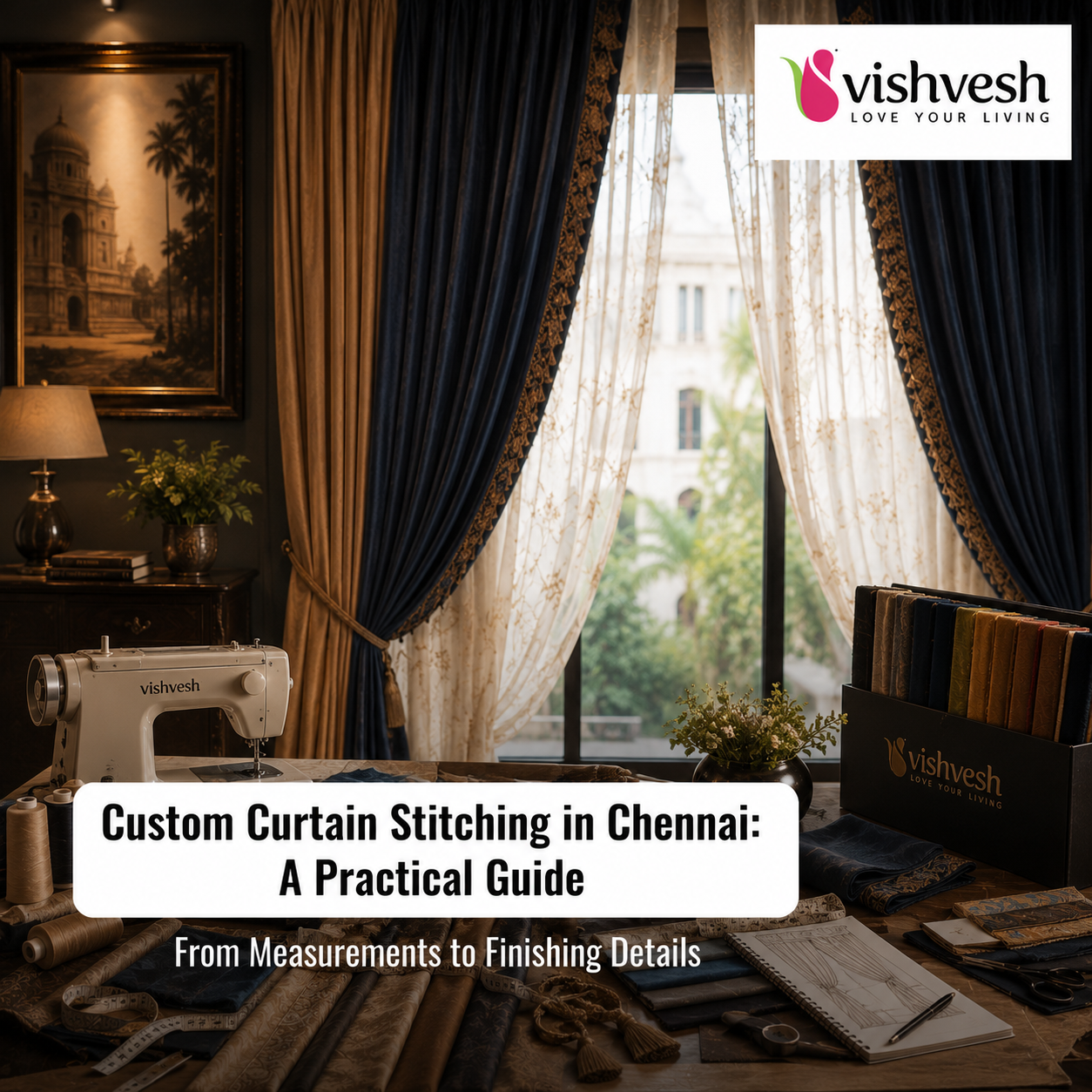
Getting curtains stitched to measure feels straightforward until you start comparing options. Fabric type, pleat style, heading choice and lining all affect how the finished curtain hangs and performs.
This guide covers each decision point clearly so you arrive at any stitching service with a clear brief rather than leaving choices to chance. The goal is a finished curtain that fits the window, suits the room and lasts well.
Chennai has no shortage of stitching services, but quality varies. The sections below help you evaluate fabric, measurements, pleat styles and timelines so you can compare services on equal terms.
Measuring your windows accurately
Accurate measurements are the foundation of a well fitting curtain. Measure from the top of the track or pole to the floor, adding clearance for the heading. Measure the full width of the track, not just the window frame.
Standard fullness is one and a half to two and a half times the track width, depending on the pleat style. Pencil pleat uses more fabric than eyelet. Pinch pleat uses the most. Confirm the fullness ratio with your stitcher before cutting fabric.
Choosing the right fabric
Fabric choice affects drape, light filtering and how long the curtain lasts. Cotton and cotton blends are easy to stitch, breathe well and suit most rooms. Polyester fabrics are durable and resist fading, useful for sunny Chennai windows.
Velvet and jacquard give a formal look but need a stronger track to carry the weight. Sheer fabrics layer well over blackout linings when you want soft diffused light by day and full block at night.
Pleat styles and heading options
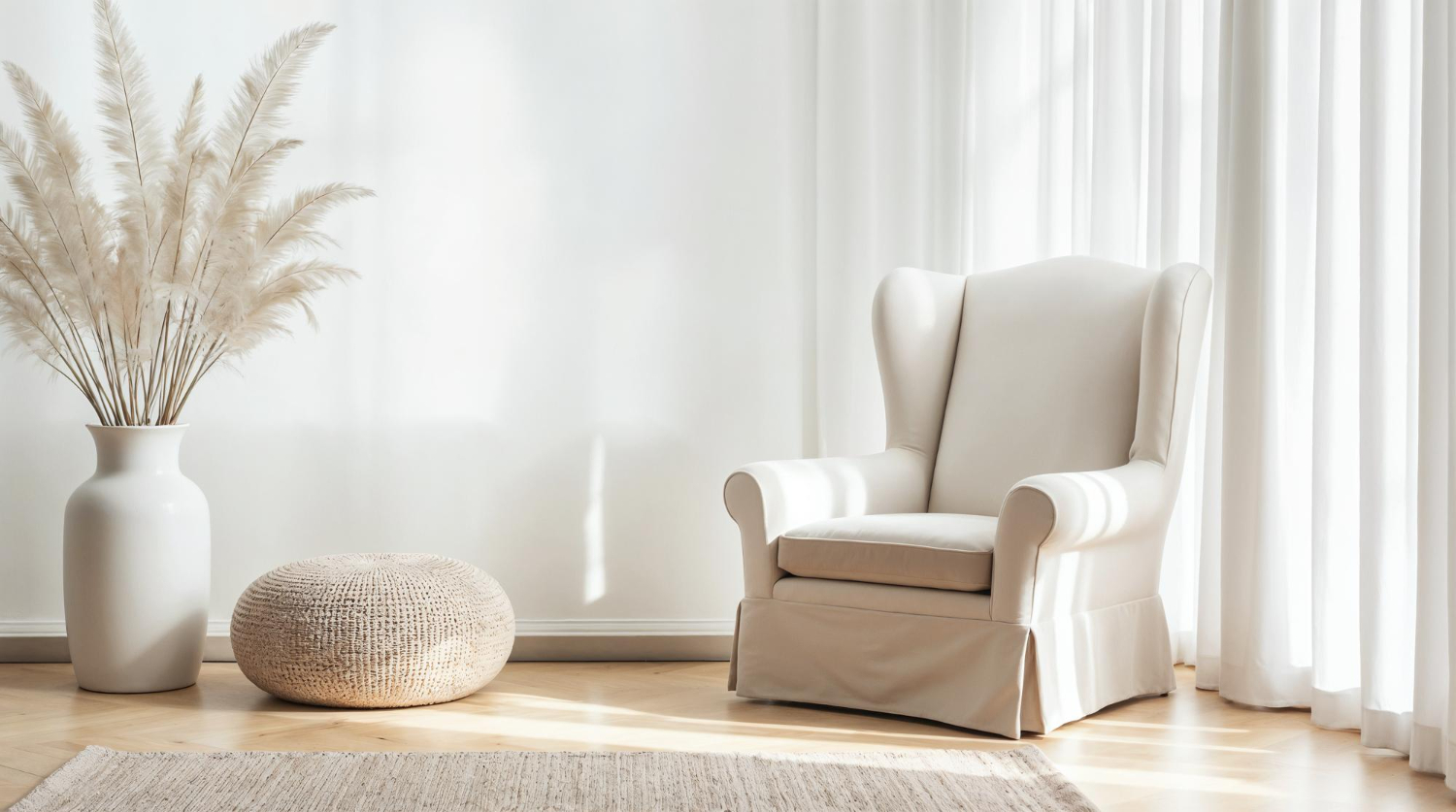
Pencil pleat is the most common heading. It gives a neat gathered look and suits most rooms. Eyelet heading threads the pole directly through metal rings along the top, giving a contemporary look with wider, uniform folds.
Pinch pleat groups the fabric into two or three finger pinches at regular intervals, creating a structured traditional look. Wave heading uses a special tape to form smooth continuous curves and suits modern interiors. Discuss the heading style before buying fabric to ensure you allow the right amount for fullness.
Lining choices and what they add
An unlined curtain is the lightest option and suits sheers or casual rooms. Standard cotton lining improves drape, protects the face fabric from sun damage and reduces light entry. Blackout lining eliminates almost all light, useful for bedrooms and home theatres.
Interlining adds a soft layer between face fabric and lining, giving a full luxurious weight. It also improves insulation, which is useful in air conditioned rooms where you want to limit heat gain through the windows.
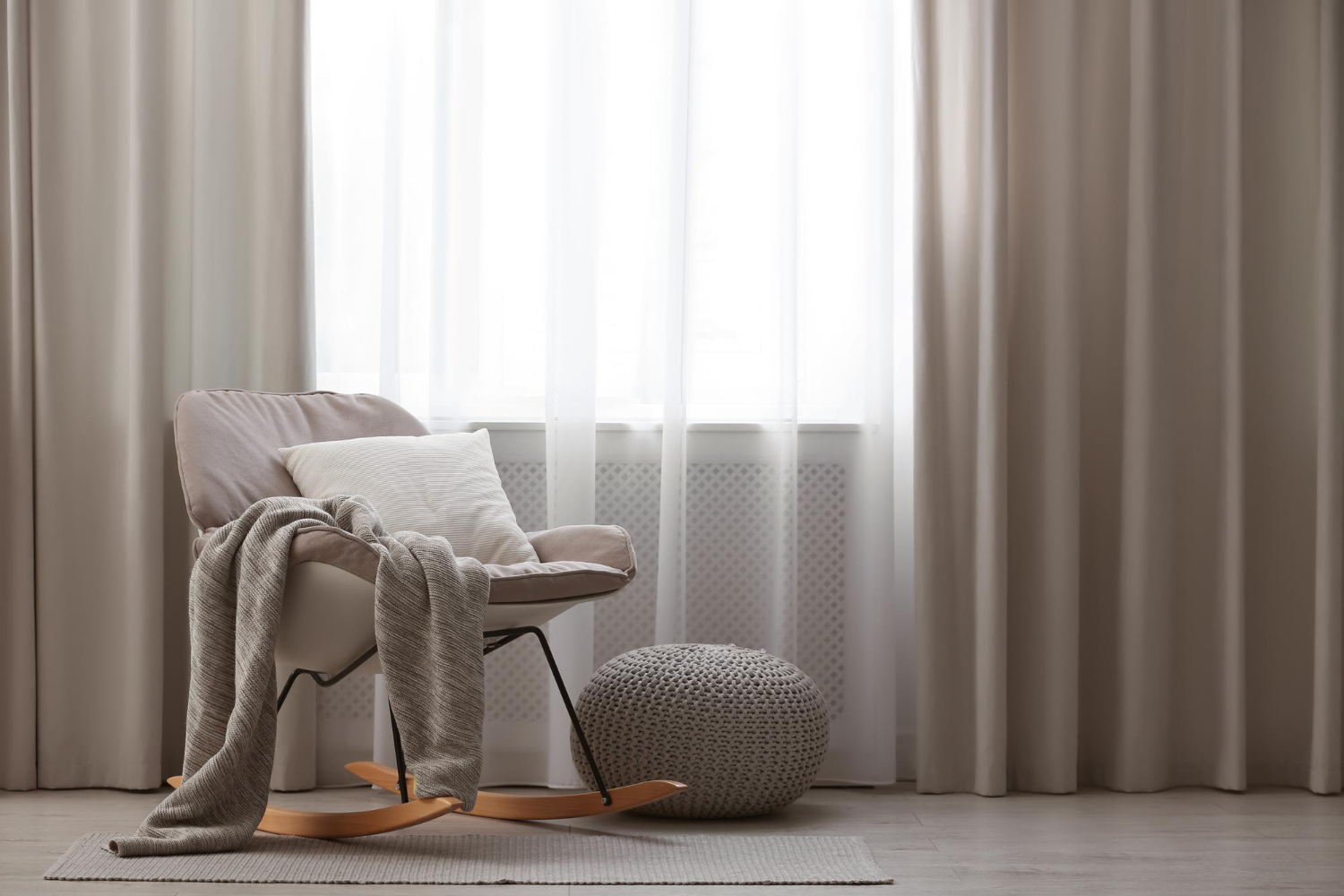
Curtain Stitching Timelines in Chennai: What to Plan For
Allow at least two weeks from fabric purchase to completed curtains for a standard order. Complex pleat styles and multiple windows take longer. If you are furnishing a new home, confirm the timeline with the stitcher before committing to a move date.
Custom curtains cannot be returned if measurements are wrong, so double check all measurements before fabric is cut. A site visit from the stitcher before cutting removes measurement risk entirely.
How to brief a stitching service
Arrive with window dimensions, fabric weight, intended heading, lining preference and any photographs of the room or inspiration curtains. A clear brief produces an accurate quote and avoids misunderstandings that delay the job.
Ask to see samples of previous work, particularly the heading type you have chosen. Check how the service handles returns if the finished curtain does not match the brief. A written order confirmation protects both sides.
Frequently Asked Questions About Curtain Stitching in Chennai
What is the difference between readymade and custom stitched curtains?
Readymade curtains come in fixed widths and drop lengths. Custom stitched curtains are cut and sewn to your exact window dimensions, heading type and fabric choice. Custom curtains fit better, offer more fabric and lining options and suit non standard window sizes.
How much fabric do I need for custom curtains?
Fabric quantity depends on window width, drop, heading style and fullness ratio. A stitcher calculates the cut length after adding heading allowance and hem. Confirm the fullness multiple before buying fabric to avoid running short.
How long does custom curtain stitching take in Chennai?
A standard order with common fabric and heading takes one to two weeks. Complex work, imported fabric or large quantities take longer. Confirm the timeline with the service before committing and build in a few days of buffer if you have a deadline.
Can I supply my own fabric for stitching?
Most stitching services accept customer supplied fabric. Bring a small sample first so the stitcher can confirm the fabric is suitable for the heading style and lining you have chosen. Some fabrics need pre washing before stitching to prevent shrinkage later.
What should custom stitched curtains cost in Chennai?
Stitching cost varies by heading type, lining and window size. Ask for a per window quote that breaks out fabric, lining and labour. Compare at least two quotes on the same specification before deciding.