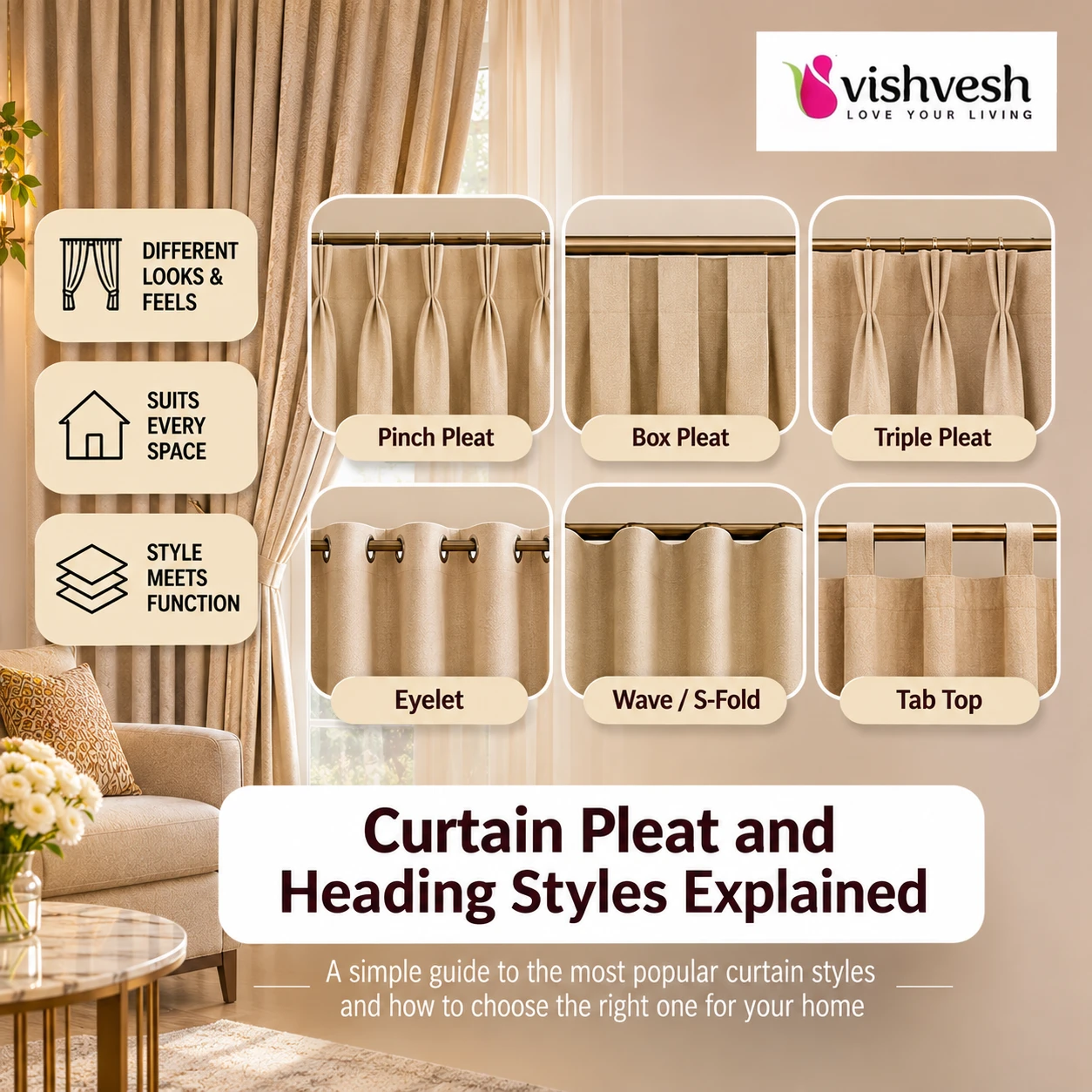
Geometric curtains bring structure and modern energy to a room. Clean lines, repeating shapes and bold motifs turn windows into a design feature. Explore geometric curtain fabrics at the Vishvesh showroom on Cathedral Road, Chennai.
What are geometric curtains?
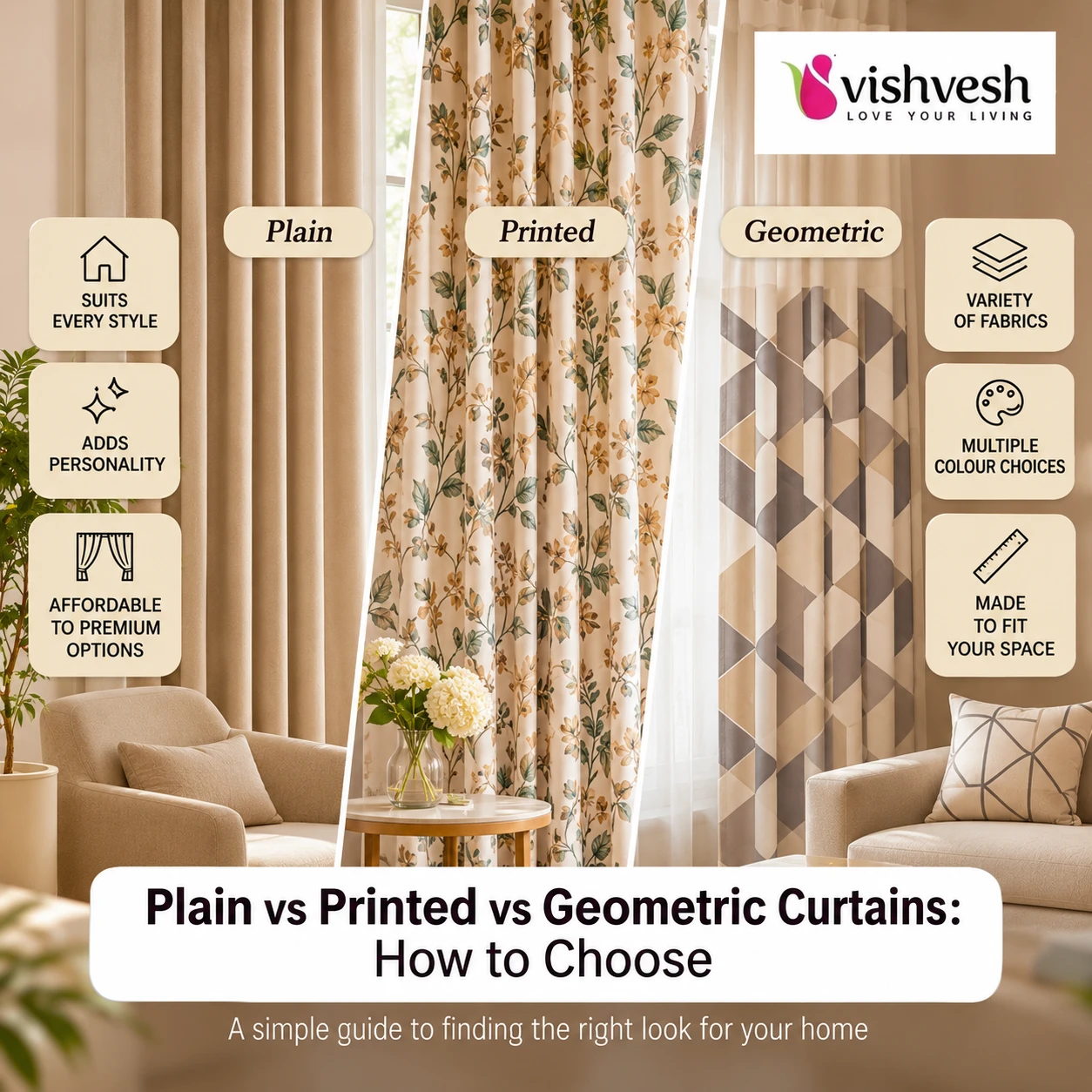
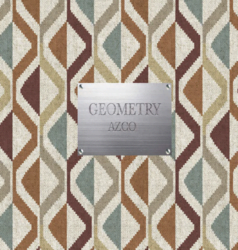
Geometric curtains are curtains with patterns built from shapes and lines, such as stripes, chevrons, grids, diamonds, circles and hexagons. The repeating structure gives a modern, ordered look. Geometric curtains work as a focal point in minimal rooms and add rhythm to spaces with plain walls and furniture.
How to choose geometric curtains
Match pattern scale to room size
Large geometric prints suit big windows and spacious rooms. Small, tight patterns suit compact rooms and read as texture from a distance.
Balance pattern with the rest of the room
Pair geometric curtains with plain sofas and walls. If the room already has a patterned rug or wallpaper, choose a quieter geometric or a shared colour.
Use stripes to change proportions
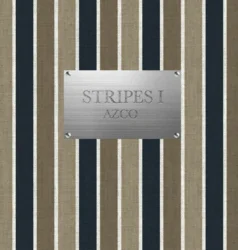
Vertical stripes make ceilings feel higher. Horizontal stripes make narrow windows feel wider.
Choose colour contrast carefully
High-contrast geometrics, such as black and white, make a strong statement. Tone-on-tone geometrics add pattern without dominating the room.
Geometric curtains by room
- Living rooms: large-scale geometrics create a focal point on wide windows.
- Bedrooms: soft, tonal geometrics add interest without visual noise. Add a blackout lining for sleep.
- Kids’ rooms: playful chevrons and shapes in bright colours.
- Home offices: grids and fine stripes keep the space structured and calm.
Geometric, printed or plain?
Geometric curtains are one type of patterned curtain. Printed curtains cover a wider range of motifs, including florals and abstracts. Plain curtains suit rooms that already carry pattern. Explore our patterned curtains collection to compare styles.
For a side-by-side guide, read plain vs printed vs geometric curtains.
Made to measure in Chennai
Frequently Asked Questions
Geometric curtains remain a popular choice for modern and contemporary interiors. Their structured patterns suit minimal rooms and work well with plain furniture. Tonal and softer geometrics also blend into classic interiors.
Choose pattern scale by room and window size. Large geometrics suit wide windows and spacious living rooms. Smaller patterns suit bedrooms, studies and compact apartments, where they read as texture rather than a bold statement.
Yes, if the patterns share a colour or differ clearly in scale. Pair a large geometric curtain with a small-pattern rug, or the reverse. If both are bold, keep the rest of the room plain.
Not when scale and colour are chosen well. Tonal or light-coloured geometrics keep rooms feeling open. Very bold, dark, large-scale patterns can feel heavy in small rooms.
Yes. Geometric curtain fabrics can be stitched with a blackout lining for bedrooms, or with a standard lining for better drape and sun protection.
Our Latest Blogs

Curtain Pleat and Heading Styles Explained
The heading is the top part of a curtain, where it attaches to the track
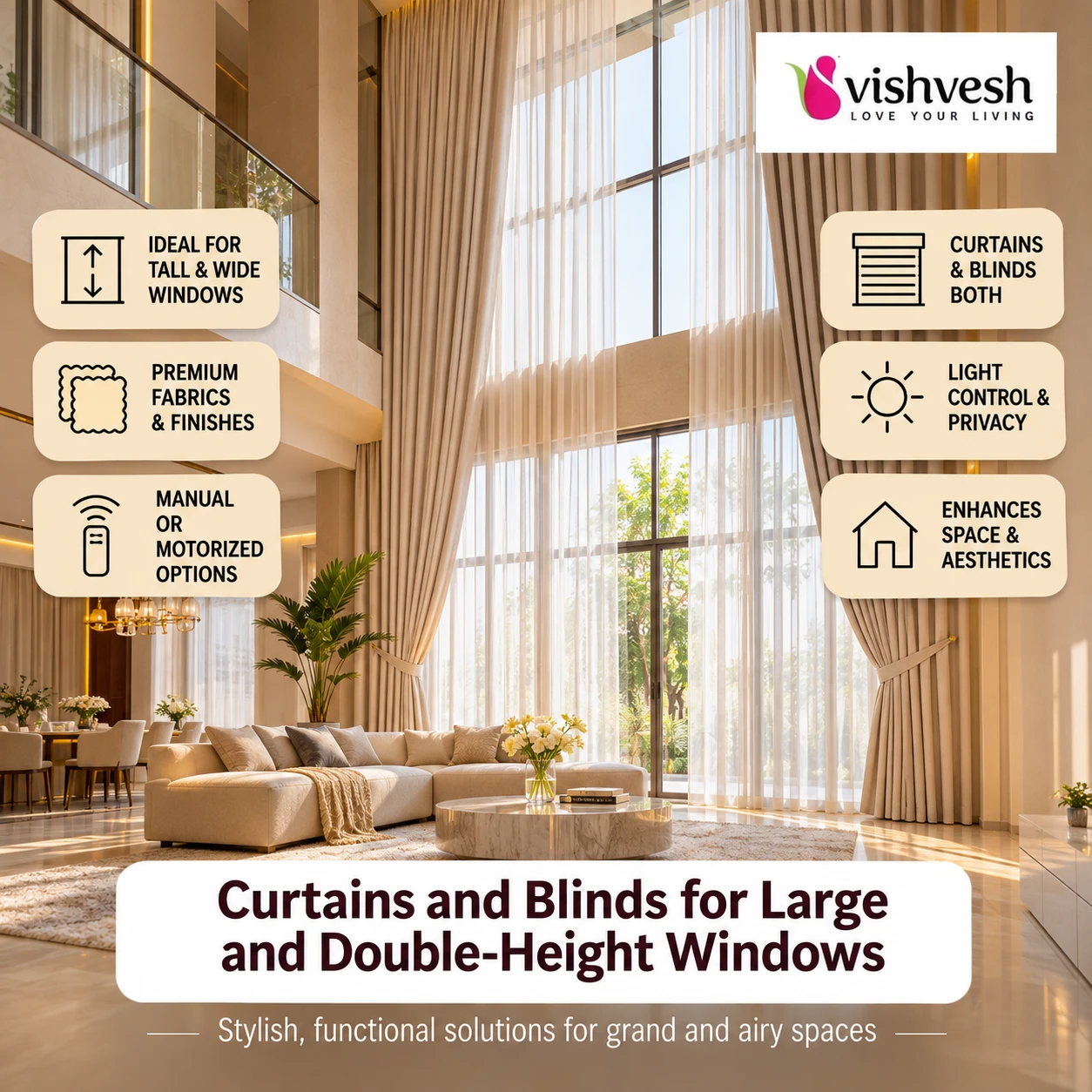
Curtains and Blinds for Large and Double-Height Windows
Large windows and double-height glazing are some of the most striking features of a modern
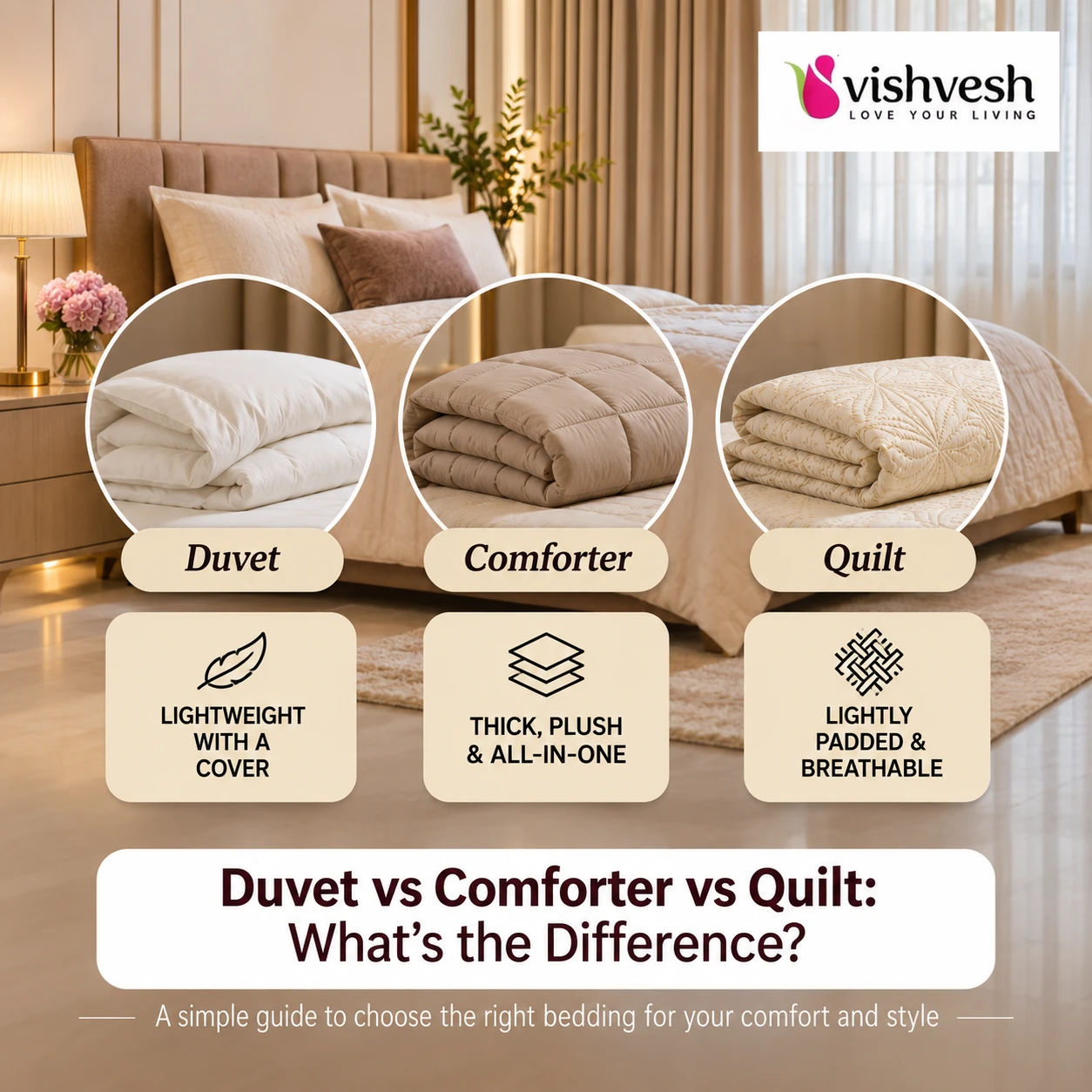
Duvet vs Comforter vs Quilt: What’s the Difference?
Duvets, comforters and quilts all keep you warm in bed, so the names are often